
 EN
EN
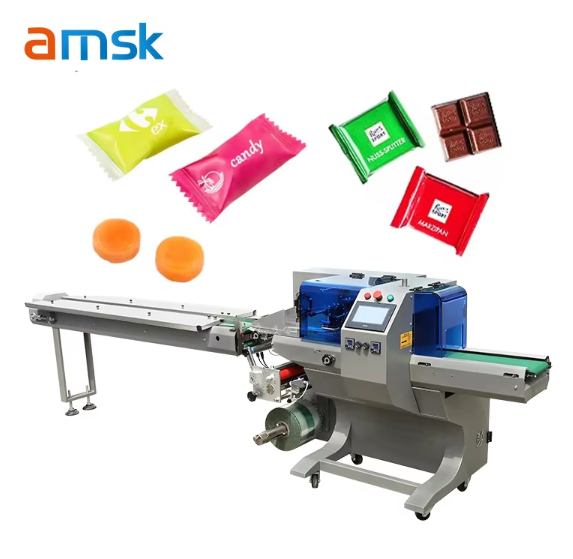
Snacks and Dry Foods: The Ideal Fit for Flow Pack Machinery
Why chips, pretzels, and cereal bars achieve optimal flow pack efficiency
Chips, pretzels, and cereal bars work really well with flow pack machines because they have regular shapes, stay dry (less than half a percent moisture), and don't stick together. These snacks pack consistently and can be filled at amazing speeds sometimes going over 200 packs every single minute. Plus, since they're crispy and firm, they don't break when the machine forms and seals them around plastic film. Moist or oddly shaped foods tend to get stuck or squished in the process, but not these types of snacks. We see this compatibility all across the industry actually. According to Packaging Digest's latest market report from 2023, nearly 8 out of 10 snack companies use flow pack systems as their main way of packaging products.
Moisture control and seal integrity: Critical parameters for dry food flow pack success
When dealing with dry foods where shelf life matters most, keeping moisture content under 0.5% simply cannot be ignored, and this is exactly where flow packaging stands out. The triple sealing process creates those special pillow pouches through carefully controlled heating and tension settings. What does this mean? These packages form tight seals that block water vapor transmission down to less than 0.01 grams per 100 square inches each day according to ASTM standards. Manufacturers also use cold seal adhesives along with precise control over how tight the films are stretched during production. This helps avoid tiny holes that might develop when products get handled on the factory floor. As a result, food stays fresh around 30% longer than what we see with traditional methods like twist wraps or standard laminates. All these features work together to protect products effectively while still allowing for fast production speeds and maintaining quality throughout the entire process.
Bakery and Confectionery: Optimizing Flow Pack for Fragile, Heat-Sensitive Items
Geometry, density, and thermal stability – keys to successful bakery flow pack
When it comes to packaging bakery goods, there's no one size fits all approach for flow wrapping. The flat, heavy cookies can handle fast wrapping speeds and tight seals without issues, but those delicate pastries such as croissants and eclairs need special handling. These items require less tension on the film and softer pressure from the sealing jaws so they don't get crushed during packaging. The density factor plays a big role here too. Lightweight brioche bread at around 0.2 grams per cubic centimeter absolutely needs gentle sealing to maintain its fluffiness, whereas dense fruitcake at approximately 0.8 grams per cubic centimeter can take stronger seals just fine. Temperature control is another key consideration since many baked goods have sensitive coatings. Most packaging machines keep sealing temps under 150 degrees Fahrenheit to prevent damage to frostings and glazes. Today's equipment actually handles these challenges pretty well with features like infrared sensors that monitor heat levels and adjustable pressure settings on the sealing components. These systems adapt automatically based on what each specific product can withstand while still keeping production moving at decent speed.
Frozen, Chilled, and RTE Meals: Navigating Temperature-Driven Flow Pack Challenges
Condensation management and low-temperature seal reliability in frozen food flow pack
When frozen foods are shipped around, they face some pretty tricky challenges from a physics standpoint. Temperature changes along the way create internal condensation inside packaging, which leads to those pesky ice crystals forming. These crystals can actually weaken the seals on packages and speed up that dreaded freezer burn effect we all know too well. Flow pack systems tackle these issues head on with special multi-layer materials designed to work in super cold conditions. They keep their sealing properties even when temps drop below -18°C without becoming brittle like regular plastics might. The outside layers resist water getting in, while special anti-fog treatments help maintain clear visibility without any chemicals leaching into the food itself. Most importantly, these packaging solutions pass the strict ISO 11607-2 tests for keeping things sterile at freezing temperatures, so food stays protected properly throughout its entire journey from factory to freezer shelf.
Oxygen barrier requirements and portion control advantages for ready-to-eat meal flow pack
Oxygen causes most of the problems when it comes to spoiling ready-to-eat meals. It breaks down fats, wears away at vitamins, and basically creates the perfect environment for bacteria to grow. When using high barrier flow packs that let through less than 0.5 cc of oxygen per square meter each day according to ASTM standards, these packs can actually double the time products stay fresh in the fridge compared to regular polypropylene packaging. At the same time, modern filling machines get portions spot on with about half a percent variation either way. This level of accuracy matters a lot for proper nutrition labels and helps cut down on wasted food too. And speaking of packaging design, those horizontal pillow shaped bags work really well because they include vents safe for microwaves plus strong seals that hold everything together even when moving around during shipping, so no soup or sauce leaks out no matter what happens on the road.
Limitations and Innovation: When Flow Pack Isn’t Suitable – and Where It’s Evolving
Fresh produce constraints: Permeability, bruising, and respiration rate barriers to flow pack adoption
The fresh produce sector still presents challenges for flow packaging technology, mainly due to how living products interact with packaging materials rather than just speed issues. Regular plastic films basically starve fruits and veggies since they block gas exchange between oxygen and carbon dioxide, which speeds up spoilage processes. Handling is another problem area too. Those automatic forming machines tend to crush delicate items such as strawberries or nectarines. Some research indicates around 15% damage occurs during standard packing operations. Things get even trickier when looking at different respiration needs across produce types. Leafy greens require roughly six times the oxygen access that carrots do, making it nearly impossible to create one-size-fits-all packaging solutions with older equipment currently in use throughout the industry.
Emerging solutions: Modified atmosphere-compatible films and gentle handling integrations for delicate items
The worlds of material science and smart machines are getting closer together all the time. We're seeing some pretty impressive stuff happen with these new multi layer films that can actually adjust how gases pass through them. This means we can create modified atmosphere packaging right on those flow pack lines instead of having to do it separately. Some tests with strawberries showed something amazing too. When packed in these special oxygen and carbon dioxide balanced films, they lasted about 40 percent longer before going bad, and there was definitely less mold growing on them. At the same time, the hardware side has gotten much gentler with food products. These robots now have grippers that sense pressure changes in real time so they don't squish delicate items. The conveyor belts have these cushioned suspensions that soak up vibrations, and there are these fancy vision systems powered by artificial intelligence that look at each item's shape and then automatically set just the right pressure for sealing. Because of all this progress, companies can now pack things like heirloom tomatoes and baby spinach in flow packs that would have been impossible just a few years ago. It shows how far this technology has come from its original days of only handling dry goods and stable products.
Table of Contents
- Snacks and Dry Foods: The Ideal Fit for Flow Pack Machinery
- Bakery and Confectionery: Optimizing Flow Pack for Fragile, Heat-Sensitive Items
- Frozen, Chilled, and RTE Meals: Navigating Temperature-Driven Flow Pack Challenges
- Limitations and Innovation: When Flow Pack Isn’t Suitable – and Where It’s Evolving