
 EN
EN
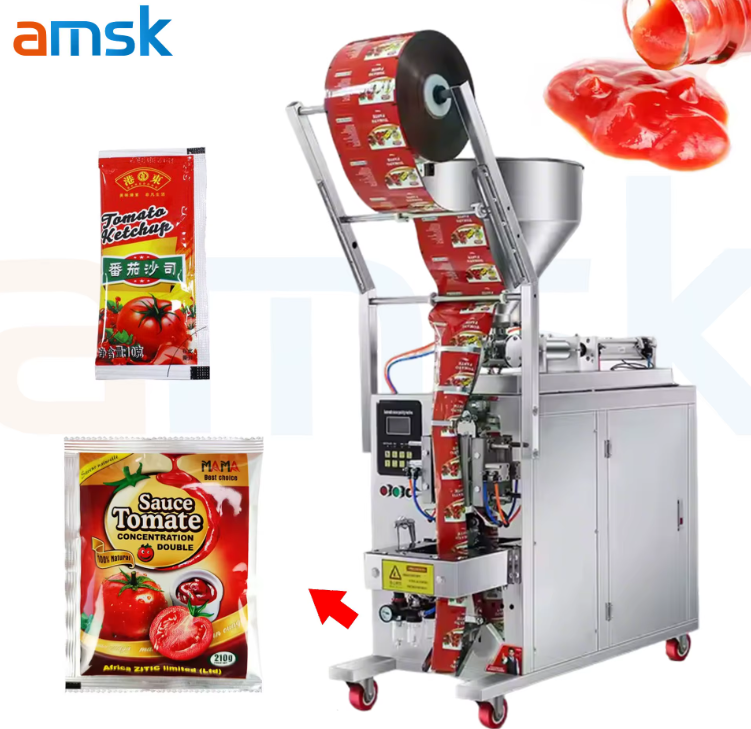
Why High-Viscosity Pastes Demand Specialized Paste Filling Machines
Rheology Matters: How Shear-Thinning, Yield Stress, and Elasticity Affect Flow and Fill Accuracy
Pastes with high viscosity tend to act strangely when moving through regular filling systems. Take those shear-thinning materials we see in cosmetics for instance they can drop more than 90 percent of their thickness when squeezed hard which leads to all sorts of problems with uneven fills unless the machinery is set up properly for changing flow rates. Then there's this thing called yield stress basically how much force it takes before stuff starts moving at all that means paste fillers need just the right amount of pressure applied. Toothpaste manufacturers know this well because of the rubbery nature of their product. When dispensed, it often springs back slightly causing gaps in the container. This whole mess of properties explains why most industrial operations rely on piston driven systems that can adjust compression settings during operation to stay within about half a percent accuracy range. And let's not forget temperature changes make things even trickier since heat affects viscosity so much that many modern paste filling machines now come equipped with built in temperature control features.
Gravity and Overflow Fillers Fail Here — Why Standard Liquids Equipment Can’t Handle Paste Filling Machine Requirements
Standard gravity fillers work best when products flow easily, which means they just don't cut it for thick pastes. Take something like peanut butter or those industrial epoxy resins with viscosities over 50,000 cP. Gravity simply can't pull these materials down consistently anymore. The flow either slows way down or stops completely. Regular overflow fillers are built for runny liquids, but they ignore how pastes stick to containers. This leaves gaps and empty spots after filling. Industry data indicates that trying to use normal equipment for these thick substances leads to around 12% errors in weight measurements and wastes about 15% of the material during production. That's why specialized paste fillers exist. These machines use different methods like positive displacement, which actually works better for thick materials. Tests across various industries back this up. Plus, their sealed systems keep air from getting trapped inside, and they handle sensitive ingredients without breaking them apart, maintaining what makes the product valuable in the first place.
Paste Filling Machine Types Compared: Piston, Peristaltic, and Lobe Systems
Piston Fillers: Best-in-Class for Precision Paste Filling Machine Performance with Thick, Abrasive, or Aerated Pastes
Piston fillers offer really impressive accuracy around plus or minus half a percent for thick products over 50,000 cP viscosity such as silicone sealants and toothpaste where other systems struggle with air getting trapped inside causing volume problems. The design includes sealed cylinders that stop air from mixing into the product when it's being dispensed. Plus these machines are built tough enough to handle gritty stuff found in many industrial adhesives without wearing down quickly. What makes them stand out is how they keep the same fill weight even when batches vary slightly. Packaging companies report savings between 3 to 7 percent on wasted material costs based on recent efficiency tests conducted last year.
When to Consider Peristaltic or Lobe Pumps — Trade-offs in Cleanability, Shear Sensitivity, and Maintenance Frequency
When dealing with products sensitive to shear stress like certain cosmetics or pharmaceutical formulations, peristaltic pumps have an edge when it comes to Clean-in-Place operations. The reason? Only the flexible tubing actually touches the product during processing, which cuts down on those pesky cross contamination issues so common in manufacturing facilities. But there's a catch worth mentioning here. Replacing all that tubing regularly does bump up maintenance expenses quite a bit, somewhere between 15% to maybe even 30% extra each year if we're comparing against traditional lobe pump systems. On the flip side, lobe pumps work pretty well for handling thicker substances around 10k to 30k centipoise range, think of things like tomato sauce or similar paste materials. However, they tend to create stronger shear forces that might actually break down delicate emulsions instead of preserving them. The good news about these lobe systems is their stainless steel build allows for quick switching between different products, although plant managers need to remember to check those seals every week when working with particularly abrasive materials.
Key Selection Criteria for Reliable Paste Filling Machine Integration
Sanitary Construction & Material Compatibility: FDA-Compliant Wetted Parts for Sticky, Residue-Prone Products
Choosing the right paste filling machine starts with looking closely at materials used throughout the system. Components that come into contact with products such as valves, nozzles, and pump parts need to handle all sorts of aggressive substances from highly acidic solutions to abrasive mixtures without breaking down or contaminating what's being processed. For applications involving sticky products like peanut butter or creamy cosmetics, going with 316L stainless steel surfaces polished to around Ra 0.8 microns or better helps keep those stubborn residues from building up over time. Make sure the equipment comes with FDA approved seals and supports clean-in-place operations too since these features cut down on bacteria growth chances, something absolutely vital when working with things like almond paste or medical ointments. A single slip-up in cleanliness standards could lead to product recalls that cost upwards of seven hundred forty thousand dollars according to Ponemon Institute research from last year.
Filling Accuracy Benchmarks: Achieving ±0.5% Consistency Across Viscous Batch Variations
Keeping accurate measurements becomes challenging when dealing with products whose thickness changes due to temperature fluctuations or variations in ingredients. Piston based fillers can still hit around half a percent accuracy for volume measurements, even when working with tricky thixotropic sauces that tend to get thicker when sitting idle between batches. Adding real time pressure monitoring helps adjust for these consistency changes throughout production runs. The result? More consistent filling across all containers from start to finish. And let's not forget the financial impact too these systems help avoid those costly giveaways that could eat away at profits, sometimes draining over three percent of total revenue in large scale manufacturing setups.
Operational Efficiency: CIP, Changeover, and Uptime in High-Viscosity Production
Getting the most out of paste filling operations really comes down to two main things: getting cleaned up fast and switching products smoothly. Clean-in-Place or CIP systems basically take away the need to tear everything apart when dealing with those sticky, thick pastes. Most facilities report cutting their cleaning time by around 70-80% compared to old school methods. Plus, this automated approach keeps things sanitary without eating into precious production time. The other big deal is having those quick change tools and servo driven parts that let operators switch from one paste formulation to another in about 15 minutes flat. Small batch manufacturers love this because it means they can handle multiple orders without losing too much time. Plants that have adopted both these technologies typically see a boost in monthly output somewhere around 30%, mainly because they spend less time waiting for machines to be ready. Anyone shopping for a new paste filler should look closely at models with proven CIP systems and those tool free change components. These features make all the difference when working with thick, viscous materials day after day.
Table of Contents
-
Why High-Viscosity Pastes Demand Specialized Paste Filling Machines
- Rheology Matters: How Shear-Thinning, Yield Stress, and Elasticity Affect Flow and Fill Accuracy
- Gravity and Overflow Fillers Fail Here — Why Standard Liquids Equipment Can’t Handle Paste Filling Machine Requirements
- Paste Filling Machine Types Compared: Piston, Peristaltic, and Lobe Systems
- Key Selection Criteria for Reliable Paste Filling Machine Integration
- Operational Efficiency: CIP, Changeover, and Uptime in High-Viscosity Production