
 EN
EN
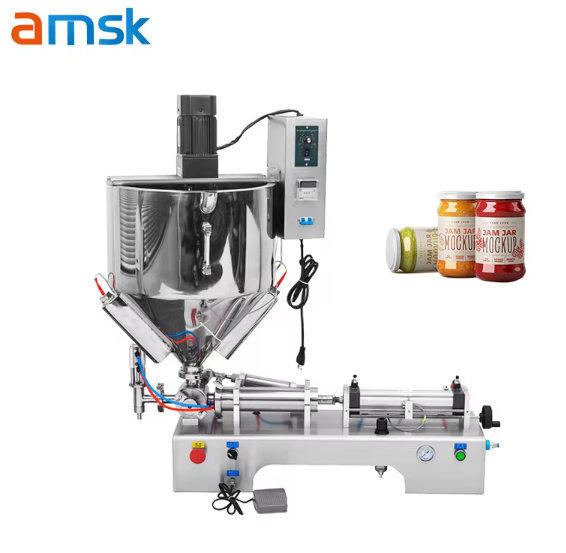
Understanding Paste Filling Machines and Viscosity Challenges
What Defines a Paste Filling Machine and Its Core Function?
Paste filling machines handle those tricky materials that just won't flow normally - think face creams, toothpaste, industrial adhesives, even certain medicines. These machines use different methods including pistons, pumps or spiral augers to get those thick substances into containers without making a mess. The main goal here is getting exactly the right amount in each container every time, something regular liquid fillers simply can't do when dealing with really viscous stuff. Food manufacturers, cosmetic companies, and pharmaceutical labs all depend on this equipment because it keeps their products looking good and meeting those tough cleanliness requirements they have to follow for regulatory compliance.
How Paste Viscosity Influences Packaging Efficiency and Machine Selection
The thickness of materials matters a lot when it comes to how fast things get made, how accurate the results are, and what kind of equipment works best for filling containers. Take something runny like ketchup or mustard for instance these flow right out of nozzles pretty quickly which means production lines can move at breakneck speeds. But there's always that danger of spills if the settings aren't just right. On the flip side, stuff that's really thick such as those gooey silicone sealants we use around bathrooms or fancy moisturizers need much slower dispensing. Most factories handle this with piston driven systems because they give better control over the flow rate. According to some research published last year, companies that adjusted their machinery specifically for material thickness saw almost 40 fewer mistakes during filling processes than those stuck with standard equipment. Temperature changes throughout the day and differences between batches also impact how thick products become. That's why many operations install special pressure regulators or heat up storage tanks before processing begins. Getting the right match between machinery and material consistency leads to dose measurements within about 1% accuracy and keeps factory floors running smoothly without constant interruptions.
Key Types of Paste Filling Machines and Their Operating Principles
Paste piston filler: Precision handling for high-viscosity products
The piston filler works by displacing volume to get just the right amount of thick stuff like cosmetics or medicine ointments into containers. When the cylinder pulls back, it sucks up material from the hopper area and pushes it out through a nozzle. What makes these machines so reliable is their ability to stay within about 1% accuracy even when dealing with super thick substances that have viscosity ratings above 50,000 centipoise. That kind of precision matters a lot in industries where product integrity counts, especially when batches need to be sealed properly without any risk of contamination during filling operations.
Paste pump filler: Continuous flow solutions for sticky and semi-solid pastes
Progressive cavity and lobe pumps enable continuous filling of semi-solid pastes like toothpaste (10,000–30,000 cP). Rotary mechanisms push material through hoses without phase separation, achieving speeds up to 120 containers per minute. According to a 2024 Food Packaging Report, pump fillers reduce product waste by 18% compared to gravity-fed systems in condiment production.
Volumetric, peristaltic, and auger-based fillers: A functional comparison
| Type | Viscosity Range | Accuracy | Ideal Use Case |
|---|---|---|---|
| Volumetric | 5,000–80,000 cP | ±2% | Chocolate spreads, adhesives |
| Peristaltic | 1,000–15,000 cP | ±3% | Cosmetic serums, lubricants |
| Auger | 20,000–100,000 cP | ±1.5% | Doughs, silicone sealants |
Why pump and piston fillers are optimal for paste filling applications
Together, pump and piston fillers address 89% of industrial paste packaging needs. Piston systems handle ultra-thick materials without damaging shear-sensitive formulations, while pumps provide reliable, continuous operation for medium-viscosity products. Both support hygienic design standards and adaptability across container types—key requirements in food and pharmaceutical manufacturing.
Industry-Specific Applications of Paste Filling Machines
Filling sauces and condiments in the food industry
Paste filling machines handle those thick, sticky foods we all know and love - think ketchup, mayo, peanut butter stuff that sits at around 50k to 200k centipoise on the viscosity scale. The machines use either augers or pistons to get rid of pesky air bubbles while keeping portions accurate to about half a percent, even when dealing with chunky mixtures that would give most people a headache. These days, manufacturers design their equipment with hygiene in mind, meeting all those FDA requirements so they can fill bottles and pouches safely at lightning speed. When it comes to tomato products specifically, automated systems hit about 99.8% consistency rates, which means roughly 18% less wasted product than what happens with manual filling operations. That kind of efficiency makes a real difference for food producers looking to cut costs without compromising quality.
Pharmaceutical ointments: Paste tube filling and sealing requirements
When it comes to topical meds, paste filling equipment that works in ISO Class 5 cleanrooms keeps things sterile as they fill those aluminum or laminate tubes. The machines are driven by servos and can hit dose sizes down to 0.01ml. That kind of accuracy matters a lot for products like corticosteroid creams and antibiotic ointments where too much or too little makes a big difference. These systems also have built in vision tech that checks if each tube is properly sealed. They can do this inspection while running at speeds around 120 tubes every minute. And dont forget about the antimicrobial surfaces on contact points which help satisfy requirements from 21 CFR Part 211 regulations.
Accurate gel and cream portioning in cosmetics production
The beauty industry relies on peristaltic fillers to get those fancy serums and thick hair gels into dropper bottles without mixing different products together. What makes these filling systems so valuable? They keep things consistent, hitting around 98% accuracy even with super thick substances that reach up to 150,000 centipoise. This matters a lot when dealing with expensive stuff like those $120 per ounce anti-aging treatments where every drop counts. Manufacturers switching to modular filler setups report cutting down wasted product by about 23% when making foundations and CC creams versus using older rotary pump technology. The savings add up fast in such competitive markets.
Handling abrasive and reactive pastes in chemical manufacturing
Paste fillers that resist chemicals and have those special PTFE coatings work great for packing up tough stuff like epoxy resins and sealants loaded with silica particles. The dual piston designs can repeat measurements within about half a percent accuracy when putting corrosion inhibitors into big drums. And don't forget about the explosion proof versions either they pass all the OSHA requirements needed for handling those volatile solvents. Manufacturers are seeing real improvements too. Newer alloys that stand up better to wear mean these pumps last around three times longer when dealing with thermal compounds filled with aluminum particles.
How to Select the Right Paste Filling Machine for Your Product
Getting the right paste filling machine means making sure the materials being processed match what the production line needs. Recent research into packaging efficiency found that around two thirds of all filling mistakes happen when pastes get too thick for the equipment to handle properly. That's why it matters so much to pair pumps with the right kind of paste they're meant to work with. Modern servo driven systems can actually adapt on the fly to different densities across a wide range of products. We're talking everything from hair gels at about 5,000 centipoise right up to those super thick industrial adhesives at 500,000 cP, and these machines still manage to hit within half a percent accuracy on dosing. Plants that run multiple products benefit greatly from modular designs since they switch between batches quickly without losing much ground on consistency either. Most maintain close to 99.8% uniformity between batches which is absolutely critical for places under FDA regulations like pharmaceutical manufacturing. The latest IoT enabled fillers take this even further by using live viscosity readings to tweak their settings automatically. This smart adjustment cuts down wasted product by roughly 22% compared to older fixed head systems that don't adapt as well.
Emerging Trends and Innovations in Paste Filling Technology
Smart Sensors and IoT Integration for Real-Time Monitoring
Paste filling equipment these days comes packed with smart sensors connected through the Internet of Things, which helps get things just right while cutting down on those frustrating unexpected shutdowns. The machines keep tabs on how thick the product is and what temperature it's at, then tweak the filling settings as needed during operation. Factories that have adopted these connected systems are seeing around 12 percent less wasted materials according to industry reports from several manufacturers. There's also something called predictive maintenance going on here too. These fancy algorithms look at all sorts of machine data and can spot when parts might be wearing out before they actually break down. This kind of proactive approach makes sense given the market trends we're seeing. A recent study by Smithers Pira predicts that demand for smart packaging tech will grow by about 23% every year until at least 2025.
Modular Designs Enabling Scalable and Flexible Packaging Lines
The modular setup makes it much easier to switch between different container sizes and handle various paste consistencies, which cuts down on the time needed when changing production runs in facilities that make everything from thick sauces to delicate pharmaceutical products. According to some industry research from Technavio last year, factories that have gone modular can boost their production speed by around 18 percent compared to traditional setups, plus they save about 30% on equipment expenses too. Another benefit worth mentioning is how standardized connections make it simpler to hook up things like Clean-in-Place units and vision inspection systems, something that really streamlines maintenance and quality checks across operations.
Sustainable Advancements: Reducing Waste in High Viscosity Fills
New developments in how valves are designed along with variable speed drives have made it possible to use materials more efficiently when working with thick pastes. Some companies are now using hybrid systems that bring together the precision of pistons with the clean benefits of peristaltic pumps. These setups cut down on leftover waste by about 15 percent across industries making things like food products and cosmetics. Looking at other green initiatives, many plants are switching to biodegradable lubricants and installing energy recovery systems too. The result? Manufacturers see their carbon footprint shrink by somewhere around 8.5% each year when they implement these changes across their operations.
Table of Contents
- Understanding Paste Filling Machines and Viscosity Challenges
- Key Types of Paste Filling Machines and Their Operating Principles
-
Industry-Specific Applications of Paste Filling Machines
- Filling sauces and condiments in the food industry
- Pharmaceutical ointments: Paste tube filling and sealing requirements
- Accurate gel and cream portioning in cosmetics production
- Handling abrasive and reactive pastes in chemical manufacturing
- How to Select the Right Paste Filling Machine for Your Product
- Emerging Trends and Innovations in Paste Filling Technology