
 EN
EN
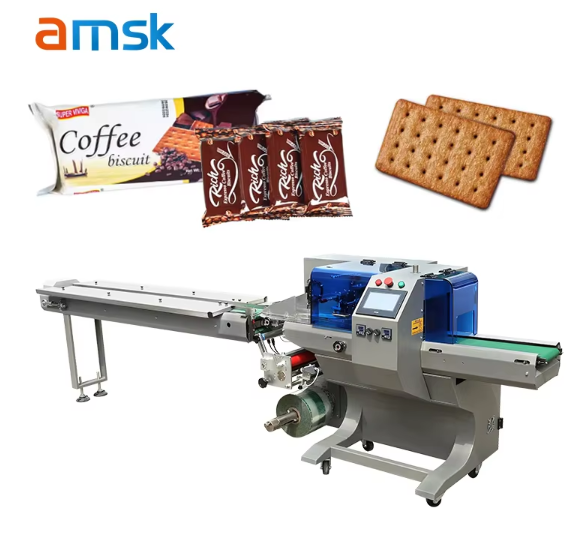
How Horizontal Packing Machines Achieve High-Speed Performance
The Growing Demand for Faster Packaging Solutions
Modern manufacturers face intensifying pressure to accelerate production cycles, driven by just-in-time delivery expectations and e-commerce growth. A 2023 PMMI report reveals 60% of packaging professionals now prioritize speed upgrades over other operational improvements. Horizontal packing machines address this demand through continuous-motion workflows that eliminate traditional bottlenecks in vertical systems.
Core Principles Behind High-Speed Horizontal Packing Operation
Three mechanisms enable horizontal packing machines to outperform vertical counterparts:
- Synchronized servo motors coordinating film advancement, sealing, and product placement
- Horizontal flow kinematics allowing simultaneous product loading and pouch formation
- Pre-tensioned film control systems maintaining material alignment at speeds exceeding 100 cycles/minute
As demonstrated in automated confectionery production lines, these principles allow horizontal systems to package rigid items 30% faster than vertical form-fill-seal machines.
Case Study: Beverage Industry Reaches 75 Pouches/Minute with Automation
One large juice producer saw their production jump by nearly a quarter after swapping out old rotary vertical machines for newer servo-driven horizontal flow wrappers. These updated systems now wrap around 75 flexible pouches every minute, which represents about a third faster processing speed than before. What's really impressive though is that they've managed to keep seal defects below just 1%. Industry data supports what this company discovered firsthand - horizontal flow packagers typically cut down on changeover time by half when compared to those traditional vertical systems that move in stop-start fashion.
Industry Trend: Shift Toward High-Speed Horizontal Flow Wrapping
In 2023, 42% of food manufacturers adopted horizontal flow wrapping systems (Packaging World), particularly for flat products like protein bars and frozen entrees. This trend stems from the machines’ ability to maintain 90+ pouches/minute speeds with minimal product orientation adjustments—critical in snack food applications.
Strategy: Integrating Speed-Optimized Horizontal Packing Machines
Leading manufacturers combine horizontal flow wrappers with robotic pick-and-place systems to minimize product spacing, thermal imaging sensors detecting seal imperfections at 200 fps, and predictive maintenance algorithms reducing unplanned downtime by 40%. These integrations enable true 24/7 production while sustaining speeds above the industry-standard 60 cycles/minute.
Key Design Features That Enable Faster Cycle Times
Servo Driven Mechanisms for Precision and Rapid Movement
The latest generation of horizontal packing equipment now features servo-driven technology that maintains remarkable speed consistency thanks to precise electric motors. These machines can position products accurately within about 0.1 millimeters even when running at an impressive 120 cycles per minute. That's actually around 40 percent better than what older pneumatic systems could manage. A recent industry report from the Packaging Machinery Manufacturers Institute back in 2023 found something pretty interesting too: when applied to snack food packaging specifically, these modern servo systems cut down on cycle time fluctuations by nearly two thirds compared to conventional methods. For manufacturers dealing with tight tolerances and high volume production runs, this kind of reliability makes all the difference.
Modular Construction Supporting Continuous Motion
Modular horizontal packing systems enable uninterrupted production through synchronized component operation. By allowing simultaneous film advancement, product insertion, and seal bar activation, these designs eliminate downtime between cycles. Leading manufacturers report 55% faster job changeovers compared to vertical alternatives.
High Speed Sealing Systems for Reliable Output
Advanced horizontal packing machines incorporate instant-response sealing jaws that achieve airtight seals in 0.8 seconds—30% faster than conventional systems. Dual-temperature control zones maintain optimal film adhesion across speeds up to 90 pouches/minute without compromising seal integrity.
Balancing Speed and Seal Integrity: Overcoming Common Trade-offs
The 2023 Packaging Efficiency Report revealed that 73% of facilities using horizontal packing machines face seal quality challenges above 75 cycles/minute. Modern solutions employ laser-guided alignment systems and real-time pressure sensors that adjust sealing parameters mid-cycle, reducing defects by 48% at peak speeds.
Design Innovations Specifically Enhancing Horizontal Packing Machine Speed
Recent advancements like inertia-compensating drive trains and vacuum-assisted product placement enable 22% faster indexing speeds. A 2024 Material Handling Institute study showed these innovations reduce mechanical stress by 34% during high-speed operation, extending component lifespan by 19 months.
Automation and Continuous Operation in Horizontal Flow Wrapping
Workflow of a Fully Automatic Horizontal Packaging Machine
Horizontal packing machines handle several tasks automatically including feeding products, shaping the film, and sealing everything together all in one smooth motion. When items come onto the conveyor belt, special forming collars wrap the packaging material around each product. Then comes the sealing part which happens at the same time for both lengthwise and across directions. Some models can actually produce around 90 pouches every single minute, pretty impressive if you ask me. Before these sealed packages move along to get labeled later on, there are built-in inspection systems that check whether the seals hold properly or not. This quality control step makes sure nothing gets sent out with weak spots that might cause problems during shipping or storage.
Seamless Integration with Upstream and Downstream Production Equipment
Today's packaging systems rely on standard communication methods such as OPC UA to work together with fillers, case packers, and those big robotic palletizing machines we see on factory floors. According to recent findings from the Packaging Automation Industry Report released last year, horizontal flow wrappers keep things moving smoothly without stops or starts because they can adjust their speed automatically based on what comes out of the previous stage in the process. When different pieces of equipment talk to each other properly, there's less need for workers to step in and fix problems manually. This makes whole production lines run better, especially when dealing with large volumes of products that need packaging at breakneck speeds throughout the day.
Reducing Downtime with Predictive Maintenance and Real-Time Monitoring
Vibration sensors and thermal imaging cameras track critical components like sealing jaws and driveshafts, alerting technicians to abnormal patterns. Machine learning algorithms analyze historical failure data to recommend maintenance during planned stoppages, achieving 98% operational uptime in continuous production environments according to 2023 packaging industry benchmarks.
Enabling Non-Stop Production Through Intelligent Automation
Automatic film splicing units and buffer zones allow uninterrupted operation during material changes. Self-adjusting tension controls compensate for variations in packaging film thickness, while vision-guided rejection systems remove defective pouches without slowing production throughput.
Measuring Real-World Speed: Output and Efficiency of Horizontal Packing Machines
Typical Output Range: 40–90 Pouches Per Minute Explained
Horizontal packing machines today can handle between 40 to 90 pouches each minute, depending on what's being packed and the kind of film used. Snack bags that follow standard sizes usually hit those higher numbers around 90 PPM. Medical device pouches tend to move slower though, averaging about 55 PPM because they need extra time for proper sealing. According to research from last year in the field of packaging automation, most companies care more about being able to adjust their machines than going for maximum speed alone. This flexibility lets them switch things up when seasons change or products evolve, all while keeping production moving at decent rates.
Factors Affecting Actual Production Speed (Product Size, Film Type, Configuration)
Three critical elements influence real-world output:
- Product Profile: Irregularly shaped items reduce speed by 12–18% compared to flat products
- Film Thickness: Heavy-duty barrier materials require 0.2–0.5 seconds longer sealing times
- Motion Type: Continuous-motion machines deliver 82 PPM vs. 68 PPM for intermittent systems
Operators balancing these factors report 23% fewer production stoppages according to 2024 packaging efficiency research.
The Paradox: Higher Speed Doesn’t Always Mean Higher Throughput
A frozen food manufacturer achieved 19% higher daily output by reducing machine speed from 85 PPM to 72 PPM. The adjusted rate decreased film jams by 34% and allowed simultaneous package quality inspections, demonstrating that sustainable throughput often trumps peak velocity.
Horizontal vs. Vertical Packaging Machines: A Speed Comparison
Speed Limitations of Vertical Form-Fill-Seal Packaging Systems
Most vertical packaging machines hit around 200 bags a minute before they start struggling, as many major equipment makers will tell anyone who asks. They work best with stuff that flows easily through the system, think powders or small granules, since gravity does most of the heavy lifting during filling. The problem comes when dealing with anything that doesn't cooperate so well. These machines follow a strict sequence form, fill, seal one after another which just isn't fast enough for bulkier products or oddly shaped items that get stuck in the process somewhere along the way.
Why Horizontal Machines Excel with Flat, Rigid, or Irregular Products
Horizontal packing machines use continuous motion tech to pack over 400 pouches per minute when dealing with standard products. The way these machines position items sideways makes it possible to feed them straight into already formed film channels without having to drop things from above, which often breaks fragile stuff. For companies packaging snacks, makeup compacts, or tiny electronics that need careful treatment, this setup works really well in practice. Many manufacturers have switched to these systems simply because they handle delicate products so much better than traditional methods.
Data Insight: 30% Faster Average Output in Snack Food Applications
According to a recent packaging efficiency report from 2023, horizontal packaging systems actually handle about 30 percent more volume compared to their vertical counterparts when it comes to snack foods. What makes these horizontal machines so efficient? Well, they have those continuous sealing features that cut down on the waiting periods between each cycle. This allows them to keep going at pretty impressive rates, around 75 to even 120 pouches every minute for things like potato chips or crackers. Vertical machines just can't match this kind of performance, typically only managing between 50 and 90 pouches per minute for basically the same types of products.
When to Choose Horizontal Over Vertical Based on Speed Needs
Prioritize horizontal packing machines when:
- Handling flat, fragile, or dimensionally inconsistent products
- Operating lines requiring >60 pouches/minute
- Using thicker barrier films needing precise tension control
Vertical machines remain preferable for low-to-mid-speed operations with free-flowing materials like coffee grounds or pharmaceutical powders.
Table of Contents
-
How Horizontal Packing Machines Achieve High-Speed Performance
- The Growing Demand for Faster Packaging Solutions
- Core Principles Behind High-Speed Horizontal Packing Operation
- Case Study: Beverage Industry Reaches 75 Pouches/Minute with Automation
- Industry Trend: Shift Toward High-Speed Horizontal Flow Wrapping
- Strategy: Integrating Speed-Optimized Horizontal Packing Machines
- Key Design Features That Enable Faster Cycle Times
- Automation and Continuous Operation in Horizontal Flow Wrapping
- Measuring Real-World Speed: Output and Efficiency of Horizontal Packing Machines
- Horizontal vs. Vertical Packaging Machines: A Speed Comparison