
 EN
EN
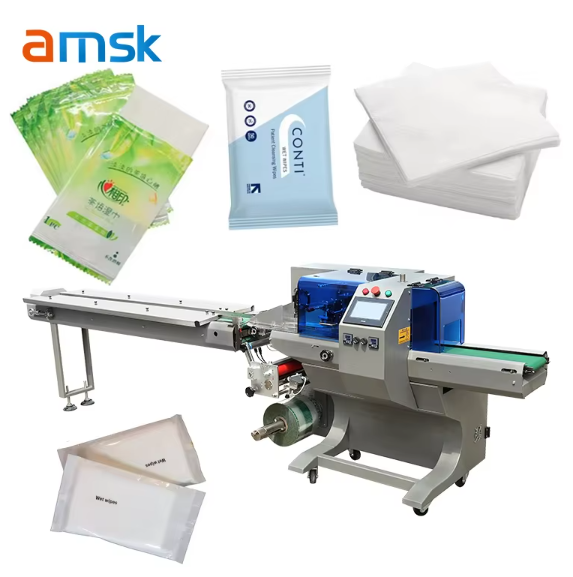
Understanding Automatic Flow Pack and Flow Wrap Technology
What Is an Automatic Flow Pack Machine (HFFS)?
The Automatic Horizontal Form-Fill-Seal (HFFS) machine changed how food gets packaged by combining three steps form, fill, seal all into one smooth operation. These systems wrap things like bread rolls or slices of cheese in plastic film that keeps air out, and they can crank out around 200 packages every minute. A recent report from the Food Packaging Automation industry shows something interesting too. Companies that switched to HFFS machines saw their mistake rates drop by almost two thirds when compared to older semi automatic equipment. That means fewer spoiled products and happier customers overall.
Key Components: Film Reel Holder, Forming Box, and Sealing Mechanism
Three core components ensure precision in flow wrapping:
- Film reel holder: Supplies polyethylene or polypropylene film with adjustable tension for thicknesses between 15–100 microns
- Forming box: Shapes the film into a tube around the product with ±0.5mm positional accuracy
- Sealing mechanism: Uses heated jaws (120–180°C) and pressure rollers to create secure longitudinal and end seals, ensuring package integrity
How Flow Wrap Technology Preserves Product Integrity in Food Packaging
Flow wrap systems really boost shelf life because they keep oxygen levels below 0.5% inside packaging, which is super important for things that go bad when exposed to air like cured meats and other perishables. When it comes to baked goods, the airtight seal makes a huge difference too. Tests at bakeries last year showed that these systems cut down moisture loss in bread by around 83%, something that keeps loaves fresh longer and saves money for stores. What's interesting about modern flow wrap machines is their continuous motion design. This actually reduces mechanical stress on what gets wrapped, so delicate stuff like shortbread cookies stays intact without getting crushed during processing. Same goes for those probiotic bars people love nowadays. The whole system works together to maintain both freshness and how the product looks on store shelves.
Core Benefits of Automatic Flow Pack for Food Products
Enhanced Speed and Consistency Through Automation
Flow packing machines can crank out around 120 items every single minute, which means they process things about half again as fast compared to what people can do manually according to that Packaging Efficiency Report from last year. These systems come equipped with those fancy servo motors along side really accurate sensors that basically cut down on mistakes made by workers. The seals stay aligned within just about half a millimeter even when running non stop for hours on end. Take one company making snacks for instance, they saved roughly 30 percent on their payroll expenses and managed to produce twice as much product each day once they swapped over to automatic flow wrapping equipment. Makes sense why so many businesses are jumping on board with automation these days.
Airtight Sealing and Extended Shelf Life
When food products get sealed using those modern heat sealing tools, they block out almost all oxygen exposure at around 99.7%. That means things like breads and pastries can last about 40% longer on store shelves according to research published in Food Safety Journal back in 2023. These tight seals stop water from getting in and keep bad bacteria away too, which makes them great for packaging snacks such as roasted almonds or dried fruit slices. Manufacturers who switched to automatic flow packing systems have seen their customer complaints about spoiled products go down by nearly 30 percent. Some companies even mention saving thousands each month just from fewer returns and waste disposal costs alone.
Ideal Protection for Perishable and Sensitive Food Items
FDA-approved, puncture-resistant films protect fragile products such as artisanal cheeses and sliced meats. The forming box gently contours packaging around irregular shapes without damage, while anti-fog coatings preserve visual clarity for quality inspections. Testing shows automated systems reduce shipping damage by 22% for delicate items like gluten-free crackers.
Reduced Material Waste and Eco-Friendly Film Efficiency
Precision tension control in modern machines minimizes film overlap, cutting plastic usage by 18% annually (Sustainable Packaging Coalition 2023). Automated systems achieve 97% film utilization–significantly higher than the 82% seen in semi-automatic setups. This efficiency, combined with recyclable film options, helps manufacturers meet EU Packaging Waste Directive requirements.
Measuring Performance and Efficiency of Automatic Flow Pack Systems
Key Metrics: Operational Speed, Downtime, and Error Rates
The best automatic flow pack systems stand out because they're fast, dependable, and accurate. Some high speed models can handle packages at less than 0.8 seconds each cycle time. The latest machines come equipped with smart sensors powered by artificial intelligence that cut down on mistakes to around 0.2% or lower according to Packaging Digest from last year. Manufacturers have also implemented predictive maintenance routines which keep unexpected shutdowns down to about 18 minutes every week on average. All these upgrades translate into real benefits for companies too. There's been a noticeable drop in product recalls by about 23% across the board simply because these systems maintain strict adherence to food safety regulations consistently.
Throughput Gains in High-Volume Food Production
Transitioning from manual to automated flow wrapping yields measurable gains:
- 183% increase in packaging speed (from 1,200 to 3,400 units/hour)
- 82% faster changeovers (reduced from 45 to 8 minutes)
- 78% lower labor cost per unit ($0.18 – $0.04)
These benefits are most significant for lightweight items (<140g) and low-profile packages (<30mm height), where precise film control maximizes material efficiency.
Case Study: 40% Output Increase After Implementing Automatic Flow Pack
One regional snack manufacturer managed to double their packaging rate from 80 to around 120 units per minute just six months after implementing automation. They started using those real time dashboards to track what was happening on the line, which helped them save about 30% on labor expenses while cutting down film waste by roughly 10% because they could fine tune how the sealing worked. What's really interesting is that all this led to nearly 40% more product coming out of the same factory floor space they had before. Shows just how much room there is for growth when companies invest in these automated flow packing solutions without needing bigger facilities.
Smart Technology Integration in Modern Flow Wrapper Automation
IoT and Smart Sensors Enable Real-Time Process Adjustments
The latest HFFS machines come equipped with IoT sensors that keep track of important factors like how tight the film stays, what temperatures are running at, and the actual pressure applied during sealing. When these monitoring systems spot even minor changes, sometimes just around plus or minus 2 degrees Celsius, they make adjustments on their own to stop problems before they happen. Take humidity sensors for example. They constantly tweak how fast the film moves through the machine so delicate items like cookies or crackers stay nice and crisp without getting soggy. This kind of real time control makes a big difference in keeping products looking good and tasting fresh across batches.
Predictive Maintenance and Continuous Monitoring for Maximum Uptime
Modern smart flow wrappers look at how machines vibrate and monitor motor performance to spot when parts might fail long before they actually break down. For instance, some systems can detect issues with bearings or seal bars as much as 200 hours ahead of time. In candy manufacturing facilities, this kind of early warning system cuts unexpected shutdowns by around 35%, which makes a huge difference when production is running at maximum capacity during busy seasons. The real time dashboards that come with these systems keep tabs on energy usage too. Operators can then adjust machine settings on the fly to save power without sacrificing output quality, something that plant managers appreciate greatly during those costly peak months.
The Evolution of Automation Levels in Flow Wrapping Machines
The world of automation has come a long way since those early days of simple mechanical operations. Today's systems work hand in hand with all sorts of equipment along the production line. Take for instance how modern machines talk to checkweighers before products even arrive and coordinate with case packers after they leave. These smart systems actually learn over time, tweaking things like film length by fractions of a millimeter depending on what's moving through the line. For many factories still running older machinery, this kind of step-by-step upgrade makes a lot of sense. They can boost their output and efficiency piece by piece rather than breaking the bank on completely new equipment across the whole facility.
Evaluating ROI and Production Fit for Automatic Flow Pack Technology
Matching Machine Capacity to Production Volume and Food Type
Choosing the right system requires aligning machine specs with production needs and product characteristics.
| Production Scale | Optimal Throughput (cycles/min) | Film Thickness (µm) | Seal Type |
|---|---|---|---|
| Low Volume | 30–60 | 60–80 | Basic heat |
| High Volume | 120–200 | 120–200 | Ultrasonic precision |
Delicate products like pastries benefit from adjustable sealing temperatures and gentle forming, while high-speed snack lines require rapid cycling and durable construction. Oversizing equipment increases energy use by 12–18% (2024 Packaging Automation Report), emphasizing the importance of accurate capacity planning.
Analyzing ROI: Balancing Initial Cost vs. Long-Term Savings
Putting around $40k into an automatic flow pack machine can save businesses about $50k each year, which means getting back 125% on that investment. Most companies see this money back in just over a year when they cut down on both labor expenses and material waste. According to industry reports, workers spend roughly 78% less time on each product compared to doing things manually, plus switching between different packaging formats happens about 82% quicker too. The upfront price tag varies quite a bit though, anywhere between $25k all the way up to $150k depending on what features are needed. Still, nearly every single food manufacturer (we're talking 92%) gets their cash back within two years because these machines keep running efficiently month after month without slowing down production lines.
Long-Term Impact on Packaging Line Efficiency and Scalability
Over five years, automatic flow pack systems deliver:
- 19% annual throughput growth via software upgrades
- 34% lower carbon footprint through optimized film use
- 50% fewer unplanned stoppages with IoT-enabled maintenance
These systems maintain 99.5% synchronization with upstream equipment, supporting seamless line expansions of 25–40% without major retrofits. Modular designs enable adaptation to new product formats, helping producers remain agile amid changing consumer demands.
Table of Contents
- Understanding Automatic Flow Pack and Flow Wrap Technology
- Core Benefits of Automatic Flow Pack for Food Products
- Measuring Performance and Efficiency of Automatic Flow Pack Systems
- Smart Technology Integration in Modern Flow Wrapper Automation
- Evaluating ROI and Production Fit for Automatic Flow Pack Technology