
 EN
EN
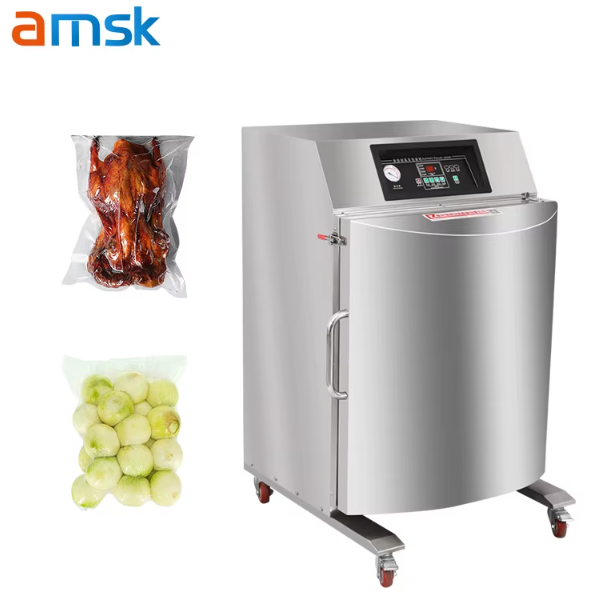
Why Food Businesses Need a Reliable Vacuum Packing Machine
Extending Shelf Life and Ensuring Safety in Perishable Supply Chains
Vacuum packing helps tackle the massive problem of food waste that costs around $160 billion each year. These machines work by removing most of the oxygen from packages, which makes it hard for mold and bacteria like Pseudomonas to grow. Without so much oxygen, meat, cheese, and fresh fruits last way longer than they would in regular packaging. Some studies suggest vacuum packed goods stay fresh about three to five times longer. That matters a lot when food travels through complicated supply chains before reaching store shelves. Another benefit is that vacuum sealed items don't get freezer burn because there's no air to dry them out during freezing. From a business standpoint, companies see fewer spoiled products, better control over stock levels, and improved compliance with safety standards like HACCP. Plus, the packaging acts as a protective barrier throughout shipping, keeping things from getting contaminated and maintaining their original texture too.
How Vacuum Removal Inhibits Aerobic Spoilage and Oxidation
Getting rid of oxygen provides two main benefits at once. First, it takes away food for those pesky aerobic bacteria that cause spoilage. Second, it stops the whole oxidation process that makes fats go bad in things like meat and nuts. What's more, vacuum sealing actually puts a stop to certain enzymes that turn fruits and veggies brown over time. Compared to modified atmosphere packaging or MAP as it's called, where they mix different gases together, vacuum sealing is just plain simpler and creates a stronger defense against going off. This works really well for items that don't have much moisture or are already pretty stable. When we get oxygen levels down below 0.5%, something important happens too. It basically stops the dangerous botulism toxin from forming in foods that aren't acidic enough to prevent it naturally. Another bonus? Vacuum packing can shrink the size of packages by about half, which means better use of storage space and lower shipping bills when moving large quantities around.
Comparing Vacuum Packing Machine Types for Food Applications
Chamber Vacuum Packing Machines: 99.5% Oxygen Removal for High-Risk Foods
Chamber vacuum packers get rid of almost all oxygen (around 99.5%) by putting products into an air tight chamber first and then removing the air. For foods that pose serious risks like raw meat and seafood, this level of control matters a lot since even tiny amounts of oxygen can speed up spoilage and let harmful bacteria grow. The FDA actually recommends keeping oxygen under 0.5% in these types of vacuum packed goods to stop dangerous Clostridium botulinum from developing and to make things last 3 to 5 times longer compared to regular packaging methods. These chamber systems work particularly well with items containing lots of liquid such as marinated meats or soup products because they prevent liquids from getting pushed around when the vacuum process happens, which maintains product quality throughout storage.
Nozzle (External) Vacuum Packing Machines: Cost-Effective for Stable, Low-Oxygen-Sensitivity Products
Vacuum systems that work from outside the bag pull air out through nozzles on the exterior, making them affordable options for smaller operations. They work well for products that stay stable on shelves and don't react much to oxygen levels, such as dried grains, roasted nuts, or certain cured meats. Even when there's still around 5 to 10% oxygen left in the package, these items generally remain safe. The smaller size of these machines plus easier maintenance cuts down running costs significantly compared to bigger chamber systems, maybe saving about 40% in some cases. But they do have limitations. Moisture content is a problem for nozzle based systems because liquid tends to block the suction path. Also, foods with odd shapes often create issues since the seal might not hold properly.
Tray Sealing with Gas Flushing: Ideal for Delicate Produce and Ready-to-Eat Meals
Tray sealers work by removing some air and then adding specific gases like nitrogen or carbon dioxide to create special atmospheres inside packaging. When it comes to fresh cut vegetables and fruits such as lettuce or strawberries these products keep breathing even after being picked replacing regular air with around 15 to maybe 20 percent carbon dioxide helps slow down browning and stops bacteria from growing too quickly without damaging the soft tissues. The same technology works wonders for pre made meals where just the right mix of gases keeps everything looking good on the shelf while fighting off mold and yeast growth. According to recent tests done last year by food tech experts at IFT, packages sealed using this combination method stay fresh about half as long again compared to those sealed completely under vacuum.
Critical Selection Criteria for Industrial Vacuum Packing Machines
Throughput, Package Size Flexibility, and Integration with Automated Food Production Lines
When choosing a vacuum packing machine, there are really three main things to consider: how much stuff needs to be packed at once, whether the machine can handle different package sizes, and if it works well with other automated equipment already in place. For businesses running high volume operations, they need machines that can do around 15 cycles per minute or more to keep up with demands without slowing down the whole production line for perishable goods. The ability to switch between different package sizes is super important too. Good machines should work with everything from delicate herbs to big cuts of meat without requiring constant adjustments. Features like adjustable sealing bars and chambers that accommodate various widths make all the difference here. Integration with existing automation setups matters most though. Machines that connect easily through standard PLC systems and sync with conveyor belts cut down on manual work and help maintain better hygiene standards across the board. According to research from packaging experts, when companies get their systems properly connected, they often see labor costs drop by about 40% while maintaining consistent product quality. Getting these factors right means the vacuum packing equipment will not only meet today's needs but also support business expansion down the road.
Food-Specific Performance of Vacuum Packing Machines
Meat, Poultry & Seafood: Mitigating Lipid Oxidation and Managing Clostridium botulinum Risk
Vacuum packing helps proteins last longer by getting rid of more than 99% of oxygen from the package. This significantly slows down lipid oxidation which causes rancidity problems especially noticeable in fatty fish and chicken products compared to regular air packed versions where these issues appear much faster. However there's a catch when we remove all that oxygen. Without proper precautions, dangerous bacteria like Clostridium botulinum might start growing if temperatures aren't kept stable. According to FDA rules, any vacuum packed meat products that aren't acidic need to be stored cold at temperatures under 3 degrees Celsius or about 37 degrees Fahrenheit. Manufacturers should also consider adding extra protection measures such as using lactate based preservatives at concentrations above 2.5% or adjusting the acidity levels. For companies working on large scale production runs, it's absolutely essential to test their processes thoroughly through actual challenge studies since harmful toxins could develop within just three weeks if things go wrong during storage.
Fruits, Vegetables & Fresh-Cut Produce: Combining Vacuum with Modified Atmosphere for Respiration Control
Plain old vacuum packing can actually harm sensitive fruits and veggies sometimes. Berries get squished at the cell level while leafy greens just droop and lose their snap. That's why many producers now combine vacuum techniques with what's called modified atmosphere packaging, or MAP for short. After creating a partial vacuum, they pump in specific gas mixtures like around 5 to 10 percent oxygen plus 5 to 15 percent carbon dioxide. This helps control how fast the produce breathes and keeps bad stuff from growing. The result? Metabolism slows down anywhere between 40 to 60 percent. Lettuce stays crunchy for about two weeks instead of going limp in days. And apples don't brown as quickly because the enzyme responsible for that ugly discoloration gets suppressed. Studies published in journals like Postharvest Biology and Technology back these claims up, showing vitamin C levels stay better preserved during transport when using this method rather than just leaving products in regular air.
FAQ
What are the benefits of using a vacuum packing machine for food products?
Vacuum packing machines extend the shelf life of food by removing oxygen that causes spoilage and oxidation. They also prevent freezer burn, maintain product quality, and ensure compliance with safety standards.
How does vacuum packing inhibit spoilage in food?
Vacuum packing removes oxygen, which inhibits the growth of aerobic bacteria and stops oxidation. This method is more effective for foods with low moisture content and inhibits enzymes that cause browning in produce.
What types of vacuum packing machines are available for food applications?
There are three main types: Chamber vacuum packing machines for high-risk foods, nozzle (external) vacuum packing machines for stable products, and tray sealing with gas flushing for delicate produce and ready-to-eat meals.
What should businesses consider when choosing a vacuum packing machine?
Businesses should consider throughput, package size flexibility, and integration with automated production lines to meet high volume demands and ensure seamless operation.
Are there risks associated with vacuum packing food?
Yes, if food is vacuum packed without proper precautions, especially for meat and seafood, it can create an environment for the growth of harmful bacteria like Clostridium botulinum if stored improperly.
Table of Contents
- Why Food Businesses Need a Reliable Vacuum Packing Machine
- Comparing Vacuum Packing Machine Types for Food Applications
- Critical Selection Criteria for Industrial Vacuum Packing Machines
- Food-Specific Performance of Vacuum Packing Machines
-
FAQ
- What are the benefits of using a vacuum packing machine for food products?
- How does vacuum packing inhibit spoilage in food?
- What types of vacuum packing machines are available for food applications?
- What should businesses consider when choosing a vacuum packing machine?
- Are there risks associated with vacuum packing food?