
 EN
EN
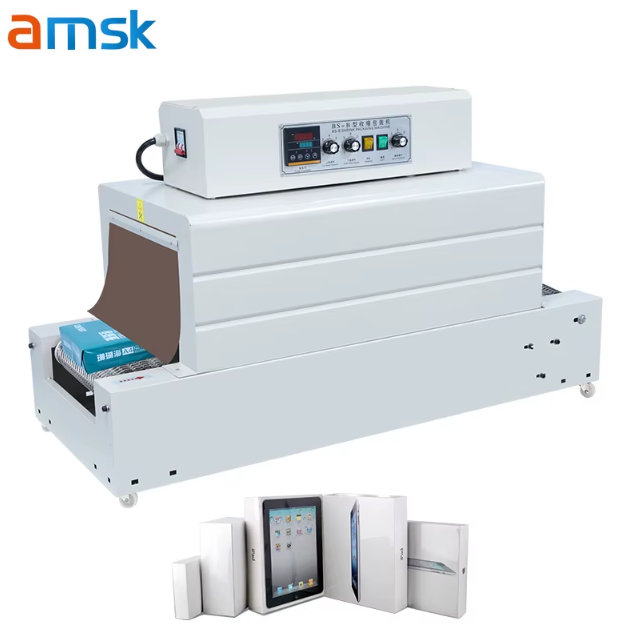
Key Bottle Packaging Requirements That Determine Heat Shrink Machine Selection
Bottle Geometry, Line Speed, and Integration Constraints
The size of bottles and how fast they need to move through the line really determines what kind of heat shrink machine makes sense. When dealing with odd shaped items like those slimmer cosmetic bottles that taper at the top, we often need special adjustable conveyors so things don't get jammed up. Regular round drink bottles work much better with standard setups though. For super fast production lines that handle over 100 bottles every minute, manufacturers typically go for machines with stronger sealing parts and faster heating systems to keep up. How well these machines fit into current packaging operations matters too. Places trying to retrofit old equipment usually stick with smaller, modular units when space is tight. But new facilities have more freedom to design longer tunnels that balance speed with energy efficiency requirements.
Critical Performance Metrics: Sealing Integrity, Shrink Uniformity, and Cycle Time
Three non-negotiable metrics govern heat shrink machine effectiveness:
- Sealing integrity, which prevents leaks and accounts for 23% of packaging failures when compromised (Packaging Digest, 2023)
- Shrink uniformity, essential for wrinkle-free presentation and requiring precise, zoned temperature control
- Cycle time, which must synchronize with upstream line speed—bottlenecks at the sealing station can reduce overall output by up to 40%
| Performance Gap | Operational Impact |
|---|---|
| ±5°C temperature variation | 15% increase in film waste |
| 0.5-second seal delay | 18% throughput reduction |
These parameters determine whether sleeve applicators, integrated systems, or standalone tunnels deliver optimal ROI—without compromising quality or scalability.
Heat Shrink Machine Types: Sleeve Applicators, Shrink Tunnels, and Integrated Systems
Sleeve Sealer + Tunnel vs. All-in-One Web Sealer–Tunnel Heat Shrink Machines
When it comes to equipment selection, most operations end up picking either modular sleeve sealers paired with tunnels or going for completely integrated web sealer-tunnel systems. The modular approach tends to be cheaper at first glance and makes maintenance work easier since parts can be accessed without dismantling everything else. But there's a catch too these setups need quite a bit of factory floor real estate and getting the conveyors properly synced takes some serious attention to detail. On the flip side, those all-in-one packages do simplify things considerably. They bring everything under one control panel and cut down on mechanical headaches by about a third to two fifths on fast production lines. Still worth noting though, these systems come with bigger price tags right out of the gate. And when it comes time to switch materials, say moving from old fashioned PVC films over to newer POF ones, integrated units usually mean tearing apart the whole tunnel setup again while modular versions let workers tweak just what needs changing without messing with other components.
Uptime and Flexibility: Why Modular Heat Shrink Machines Excel in Multi-Pack Lines
Modular setups really boost system availability when dealing with multiple SKUs. Take tunnel heaters for instance. When one goes down, workers can simply work around it without shutting off the whole sealing operation something that just isn't possible with those all-in-one units where any component failure brings everything to a standstill. The flexibility works wonders for mixed packaging operations too. Imagine a cosmetic plant handling both lipstick tubes that need gentle heating at around 90 degrees Celsius and shampoo bottles requiring much hotter temperatures closer to 140 degrees. With modular systems, these products get sent through their own specialized heat zones. Industry leaders have found that switching to modular configurations typically results in about 18 percent better equipment effectiveness rates. And let's not forget how much time gets saved during transitions between products either the downtime plummets from roughly 15 minutes down to less than five.
How Shrink Film Type Influences Heat Shrink Machine Compatibility and Settings
POF, PVC, and PE Films: Thermal Profiles and Required Tunnel Temperature Ranges
Shrink film selection fundamentally shapes heat shrink machine configuration. POF (polyolefin) films activate optimally between 120–170°C; PVC requires lower temperatures (90–120°C); and PE films—due to their crystalline structure—demand up to 200°C. Thicker films (>50 microns) need longer heat exposure, increasing cycle time by 15–30% versus thinner variants.
Key compatibility considerations include:
- Shrink ratio: PE’s 80% shrinkage potential necessitates slower conveyor speeds
- Seal integrity: POF maintains reliable seals across variable temperatures
- Film width: Narrow films (<300 mm) dissipate heat faster, enabling higher line speeds
Mismatched film–machine pairings risk incomplete seals or thermal distortion—top contributors to product damage in transit. Always confirm your machine’s adjustable temperature range aligns with the film’s published activation profile.
Real-World Heat Shrink Machine Applications Across Beverage and Cosmetics Packaging
High-Speed Beverage Multi-Pack Line: 36,000-bph PET Water with Steam-Based Heat Shrink Tunnel
When it comes to wrapping those massive quantities of drinks, especially those plastic water bottles we see everywhere, steam powered shrink tunnels have become pretty much standard equipment in most factories. These machines heat things up fast and evenly so the shrink wrap goes on smooth without any wrinkles or bubbles, even when running through thousands of bottle packs every single hour. Plastic bottles work really well with this method because they don't melt easily and their round shape makes them easy targets for controlled heating. What manufacturers get from all this is packaging that shows if someone has tampered with it, keeps logos looking good during shipping, and generally runs about 5 to maybe 8 percent better than those old fashioned hot air systems. Most plant managers swear by steam tunnels since they actually save money on electricity costs in the long run and rarely break down mid production, which matters a lot when lines need to run nonstop day after day.
Frequently Asked Questions
What factors determine the choice of a heat shrink machine?
The choice depends on bottle geometry, line speed, integration constraints, sealing integrity, shrink uniformity, cycle time, and compatibility with specific shrink film types.
How do modular heat shrink machines benefit multi-pack lines?
Modular machines enhance system availability, provide flexibility in handling multiple SKUs, and reduce transition downtime between products.
What are the types of films used in heat shrink machines?
Common films include POF, PVC, and PE, each with distinct thermal profiles and required temperature ranges.
Why are steam-powered shrink tunnels preferred in high-speed beverage packaging?
They offer even heating, maintain smooth shrink wrap application, support high throughput, and are cost-effective in terms of electricity usage.
Table of Contents
- Key Bottle Packaging Requirements That Determine Heat Shrink Machine Selection
- Heat Shrink Machine Types: Sleeve Applicators, Shrink Tunnels, and Integrated Systems
- How Shrink Film Type Influences Heat Shrink Machine Compatibility and Settings
- Real-World Heat Shrink Machine Applications Across Beverage and Cosmetics Packaging
- Frequently Asked Questions