
 EN
EN
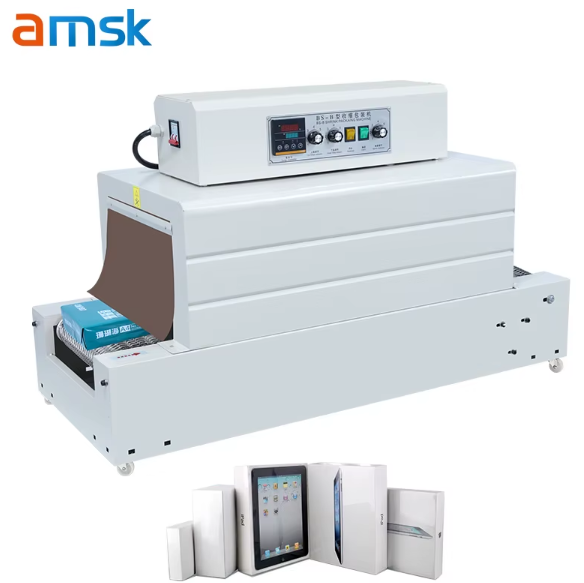
Core Compatibility Factors: Matching Shrink Tunnel Specifications to Your Heat Shrink Machine
Conveyor Speed, Zone Count, and Chamber Dimensions for Seamless Throughput Alignment
Getting the shrink tunnel and heat shrink machine working together properly depends on getting three key mechanical settings right. The conveyor belt needs to match what the production line can handle, usually around 15 to 40 containers each minute. If it runs too fast or slow, we end up with backups or wasted time. How many heating zones there are makes a big difference too. Simple round containers work fine with just one heating zone, but when dealing with irregular shapes, having two or three separate zones becomes important. This lets us apply more heat where needed, like at the bottom of the bottle, while keeping things gentle at the top where labels sit. The size of the chamber matters as well. We need enough space for the widest container to pass through comfortably, and the length has to be long enough for proper heating. Those oval shaped bottles? They typically need chambers about 20 to 30 percent longer than regular cylinders to get that smooth, wrinkle free finish everyone wants. Get any of these settings wrong and we start seeing problems like labels pulling away, seams coming loose, or sleeves that just don't stick properly.
Wattage, Thermal Capacity, and Power Infrastructure Limits: Avoiding Under- or Over-Specification
Getting the electrical specs right matters a lot and gets ignored all too often. Most industrial shrink tunnels pull between 15 and 30 kilowatts per heating section, and the total power needed depends on what kind of film they're working with and how fast things need to move through. Take polyolefin sleeves versus PVC ones for instance – the former generally needs about 30 percent less heat energy to get the job done. When equipment isn't properly powered, the film just doesn't remember its shape correctly, leading to weak adhesion and those annoying gaps everyone hates to see. On the flip side, going overboard with system size costs extra upfront money and burns through around eighteen grand each year in wasted electricity according to Packaging Digest from last year. Check out what voltage your facility actually runs on before buying anything. Facilities with 480 volts can handle really busy production lines moving over fifty parts per minute, while most smaller operations work fine with 208 volts. Don't forget about amperage either. Make sure there's enough capacity to handle those peak times, especially when humidity goes up during certain seasons. Industry experts suggest keeping at least twenty percent extra capacity beyond normal usage to avoid blown circuits and unexpected downtime that nobody wants.
Shrink Tunnel Technology Types: Hot Air, Steam, and Infrared – Pros, Cons, and Integration Fit
Thermal Transfer Efficiency and Its Impact on Sleeve Adhesion, Clarity, and Energy Use
How fast and evenly heat gets to the sleeve determines everything from how well things stick together to how clear the final product looks and what it costs to run operations. Steam tunnels work great for those tricky shaped or thin walled containers because they provide pretty even heating with some moisture help. This helps reduce thermal stress and keeps graphics looking good after shrinking. But there are downsides too. Steam brings humidity problems for certain types of labels and needs all sorts of equipment like boilers, systems for managing condensation, and extra drying areas. Hot air tunnels blow heated air around quickly and respond fast to changes, plus they cost less initially and use less power overall. These make sense for fast moving lines with round containers but often miss spots on containers with recesses or odd shapes. Infrared tech shines when we need pinpoint accuracy since it doesn't add any moisture at all. We can really control where the shrink happens locally. The catch? It only works where it can see directly. Areas hidden under bottle lips or inside deep neck sections just don't get enough energy, leading to uneven shrinkage issues or failed seams. Picking the best option usually involves weighing what kind of film we're using, how complicated our containers are, and what our plant setup allows for. Rarely does one factor stand out as the sole deciding point.
When Steam Excels (e.g., Thin-Wall PET) – and Why Maintenance Trade-offs Matter
For those working with heat sensitive materials like thin walled PET containers or complex shaped products, steam tunnels remain the go to option. These systems typically run between 180 and 200 degrees Fahrenheit which helps avoid common issues such as paneling, warping, or changes in dimension size something really important for keeping product structure intact and ensuring brand logos stay looking good. Plus, they tend to handle pressurized containers better compared to traditional dry methods. But there's definitely a catch here too. Steam equipment requires special boilers, water treatment processes, and extensive drying areas just to manage moisture carryover problems. The condensation creates corrosion issues over time that wears down conveyor belts, guide rails, and heating components faster than other technologies. Maintenance becomes much more frequent and parts need replacing at rates around 30 to 40 percent above what we see with hot air or infrared systems. What's more, the overall tunnel length usually needs to be extended by roughly 25 to 40 percent to include these extra drying and cooling sections. Despite all these added costs, many manufacturers still choose steam because it produces consistently excellent finishes when exact temperature control matters most. This makes sense particularly for products where appearance affects sales, meets strict regulations, or simply keeps customers happy instead of just being used for basic packaging needs.
Application-Driven Selection: Film Type, Container Geometry, and Production Speed Requirements
Handling Complex Shapes (Oval, Necked, Hourglass) with Zonal Temperature Control and Dwell Time Precision
Oval shaped makeup bottles, those necked down drink containers, and industrial parts that look like hourglasses create special problems when it comes to heating them properly. The walls aren't even thickness, surfaces curve differently, and there are these tricky narrow spots where things just don't shrink right. That's why multi zone shrink tunnels with separate temperature controls for each section become absolutely necessary. Engineers can crank up the heat on thicker parts that take longer to shrink, like bottle bases or shoulder areas, while turning down the intensity near delicate spots such as slim neck sections or thin waist areas to avoid tears or cloudy spots. Getting the timing right matters too. The conveyor belt needs to move at just the right pace so every part gets enough heat in each zone. Take an hourglass shaped container for instance. It needs extra time in the middle section to fully shrink around that narrowest point without causing seams to lift or getting that balloon effect. If production moves too fast for what the tunnel can handle thermally, we end up with cold spots that mess up the shrink pattern and increase defects. So instead of just looking at how fast the line runs, smart operators map out the actual heat requirements based on each product's specific shape before setting conveyor speeds.
System-Level Integration: Synchronizing Shrink Tunnel Performance with Labeling Line and Heat Shrink Machine Output
Getting labeling machines, shrink tunnels, and conveyors to work together smoothly forms the backbone of any good production line that wants consistent results without constant headaches. The biggest pain point? Conveyor speed mismatches. When a fast labeler feeds into a small or out-of-sync tunnel, everything backs up, things jam, and sleeves just won't activate properly. Getting the heat right matters too. Tunnels need to maintain steady temperatures tailored specifically to what kind of film we're using and how containers are shaped. That's why multi-zone heating systems have become so popular lately. They let operators adjust heat separately for different parts of the container - base, sides, neck area. This makes all the difference when dealing with those tricky hourglass shapes or anything else that shrinks unevenly. And don't forget about energy costs. A tunnel that's too big just burns through electricity unnecessarily, but going too small means slowing down production or risking poor quality. Plants that get serious about matching up all these factors see around 20% fewer defective products and boost their output by about 15%, based on recent industry reports from last year.
Table of Contents
- Core Compatibility Factors: Matching Shrink Tunnel Specifications to Your Heat Shrink Machine
- Shrink Tunnel Technology Types: Hot Air, Steam, and Infrared – Pros, Cons, and Integration Fit
- Application-Driven Selection: Film Type, Container Geometry, and Production Speed Requirements
- System-Level Integration: Synchronizing Shrink Tunnel Performance with Labeling Line and Heat Shrink Machine Output