
 EN
EN
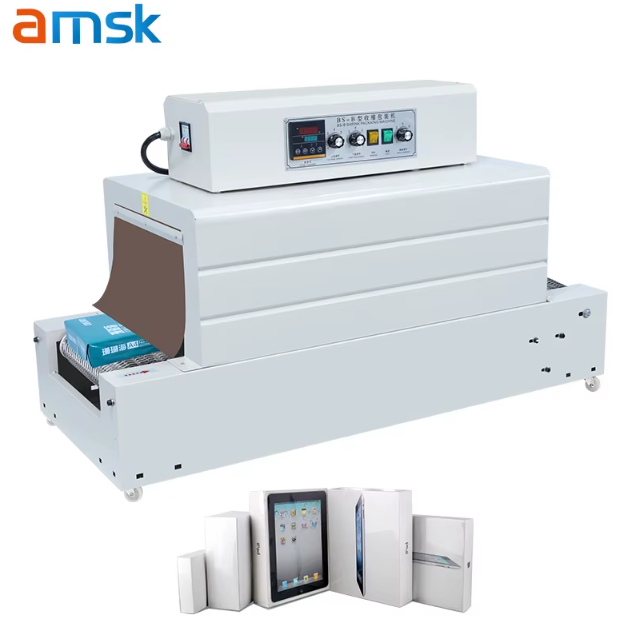
Shrink Tunnel Fundamentals: How Core Mechanics Drive Packaging Efficiency
Radiant vs. Convection Heat Transfer in Shrink Tunnels
Most shrink tunnels operate using either radiant or convection heating methods, sometimes combining both for optimal results. With radiant systems, infrared emitters shoot heat straight at the film surface which gets things moving quickly but requires careful monitoring so delicate materials don't get burned during processing. The alternative is convection where hot air circulates around products thanks to powerful blowers. This method wraps around items evenly no matter how oddly shaped they might be. Industry data indicates that convection-based systems can actually produce about 45 percent more consistent shrinkage when dealing with those tricky irregular shapes compared to setups relying solely on radiant heat. Modern equipment often blends these approaches smartly infrared kicks off the process by softening the film fast while convection takes over to maintain steady heat throughout. This mixed strategy manages to keep production speeds high while protecting sensitive materials and maintaining accurate dimensions across all sorts of different packaging configurations.
Zone-Based Temperature Control and Its Impact on Film Activation Uniformity
Today's shrink tunnels have these segmented heating areas that can be adjusted separately, usually anywhere from about 80 degrees Celsius up to around 160 degrees. These different temperature settings help match what happens to various types of plastic films during processing. The lower temp zones at the start gently get things ready for materials such as polyolefin films. Then comes the middle and higher temperature sections which kick things into full gear without causing any sudden stress on the material. Machines equipped with four or even more of these zones cut down on temperature differences across surfaces to five degrees Celsius or less, which basically stops those annoying inconsistencies in how things shrink. Take PET bottles as an example. With this gradual temperature approach, we avoid having the necks shrink too early while still getting clean label application. And let's not forget about saving money on energy costs either. When operators can target exactly how much heat each section needs, they end up using about 25 percent less thermal energy compared to older single zone systems all while keeping production speeds and good seals intact.
Optimizing Shrink Tunnel Parameters for Maximum Throughput and Quality
Balancing Conveyor Speed, Dwell Time, and Shrink Performance
Getting maximum efficiency really comes down to getting just the right balance between how fast the conveyor moves, how long materials stay in place, and how intense the heating process is. When we push speeds too high, production goes up but there's a real danger of incomplete shrinking if items don't stay long enough. On the flip side, leaving things too long causes problems like over-shrinking, making materials brittle or distorting their shape entirely. According to recent industry reports from PMMI in 2023, when these parameters are properly balanced, manufacturers can actually boost their line speeds by around 30% without compromising on seal quality or product dimensions. Some key tweaks involve matching the heat application patterns to what different films naturally do when they shrink. For instance, PVC tends to shrink about 50%, whereas polyolefins only shrink between 20% and 30%. Adjusting airflow helps eliminate those annoying wrinkles without ripping anything apart, and fine-tuning infrared settings protects products that might get damaged by excessive heat exposure.
Why Lower Peak Temperatures Often Enable Higher Line Speeds
Moderate peak temps between 120 and 160 degrees Celsius actually help achieve faster production speeds compared to those high heat approaches people often think work best. When things get too hot, operators have to slow down the conveyor belts just to avoid problems like burn through spots, fish eye defects, or labels falling apart. Controlled heating that stays consistent across the whole process lets products move along much quicker without these issues. The energy savings from this approach typically range around 15 to 25 percent while also getting rid of those annoying defects caused by overheating. Modern equipment with multiple heating zones applies heat in stages, turning on different sections as needed for better control. Take base first heating as an example it makes sure container labels are properly set before shrinking starts at the top. Experience shows that careful temperature management beats simply cranking up the heat any day.
Shrink Tunnel Temperature Control: Ensuring Consistency, Integrity, and Yield
Film-Specific Thermal Profiles: PVC, PET, and Polyolefin Requirements
The chemical makeup of shrink films creates specific temperature ranges that don't really overlap between different materials. Take PVC for instance it works well when heated between around 65 to 93 degrees Celsius (that's roughly 150 to 200 Fahrenheit), but if things get too hot past about 104C (220F), we start seeing problems like scorch marks. PET is another story altogether needing much higher temps between 121 and 149C (250-300F) to activate properly. And watch out if the heat drops below 116C (240F) because those pesky wrinkles will show up fast. Polyolefin gives us a bit more flexibility in the 93 to 121C range (200-250F), though even small temperature swings over plus or minus 8C (about 15F) can lead to poor seals or unsightly puckering effects. Industry data shows that mixing incompatible film types can boost waste levels by as much as 20%. Getting the oven zones set just right based on what each film needs isn't just about following specs it actually makes a big difference in keeping packages tamper evident, labels looking sharp, and overall product integrity intact. Proper thermal calibration isn't just good practice it directly impacts production yields and bottom line results.
Real-Time Monitoring and Closed-Loop Control in Modern Shrink Tunnels
Modern shrink tunnels now come equipped with infrared sensors and thermocouples that take temperature readings every half second at key points throughout the tunnel. The information gathered from these sensors feeds into smart control systems which automatically tweak the heat settings and adjust how fast the conveyor belt moves. This has made shrink wrapping much more consistent too, with improvements around 98% better than when operators had to do everything manually. When we see cold areas forming along the sides of containers, the system kicks in right away with extra heat directed exactly where needed, so production doesn't get interrupted. These adjustments help avoid problems like gaps in PET bottle shrinkage or making polyolefin pouches too brittle from over shrinking, cutting down defects to below 1%. And as an added bonus, the ongoing self-calibration process saves companies between 15 and 30% on their yearly energy bills compared to older fixed temperature systems.
Measurable Efficiency Gains: Energy Savings, Uptime, and ROI of Advanced Shrink Tunnels
The latest shrink tunnel tech brings real benefits that manufacturers can measure in their bottom line. Let's look at what makes these systems stand out. First up is energy savings. With precision temperature zones and heat recovery systems, companies typically see about a third less power usage compared to older equipment. That translates into lower electricity bills month after month. Then there's the reliability factor. These machines come equipped with smart diagnostics that catch most mechanical issues before they actually happen. According to Packaging Digest from last year, this prevents around 90% of breakdowns that would otherwise shut down production lines. And when it comes to money matters, the investment pays off pretty quickly. Most plants recoup their costs within two years, sometimes even faster. For operations running at full capacity all day long, maintaining steady output means protecting profit margins and staying competitive in fast moving markets.
Table of Contents
- Shrink Tunnel Fundamentals: How Core Mechanics Drive Packaging Efficiency
- Optimizing Shrink Tunnel Parameters for Maximum Throughput and Quality
- Shrink Tunnel Temperature Control: Ensuring Consistency, Integrity, and Yield
- Measurable Efficiency Gains: Energy Savings, Uptime, and ROI of Advanced Shrink Tunnels