
 EN
EN
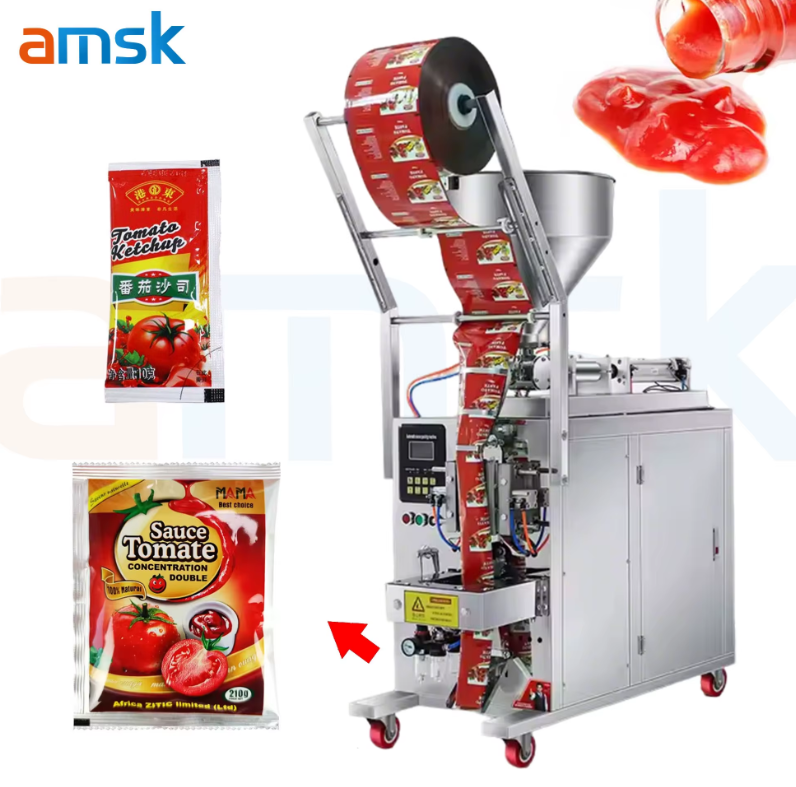
Why Standard Filling Machines Fail with Viscous Pastes
Rheological Barriers: Yield Stress and Shear Thinning Disrupt Flow Consistency
Materials that are really thick, like those cosmetic creams we all use daily or those stubborn food pastes, behave in ways that regular gravity fill systems just can't handle. There's this thing called yield stress which basically means the material won't start flowing until enough force is applied. What happens? Product gets stuck in hoppers and nozzles, creating all sorts of messes. And then there's shear thinning where viscosity drops when pressure is applied. This leads to inconsistent filling problems - containers get underfilled at first but then overflow later on. When dealing with stuff thicker than 10,000 cP, standard gravity systems only hit around plus or minus 5% accuracy. That's nowhere near good enough for things like pharmaceutical products that need much tighter control, usually within half a percent. Regular equipment simply fails to deliver consistent portions for materials like silicone sealants or toothpaste unless special displacement mechanisms are used instead.
Drip, Sag, and Stringing: Operational Failures in Sauce, Ointment, and Honey Production
Issues after dispensing such as dripping, sagging, and stringing can lead to around 15% waste during packaging of products like sauces, honey, and ointments. When there's dripping, leftover material tends to leak out after the nozzle pulls back. Sagging happens when product gets distributed unevenly within containers, particularly noticeable with thick substances like peanut butter or certain cosmetic creams. Stringing creates those annoying filaments connecting the nozzle to the container, which ends up messing with sealing surfaces. Most often these problems come down to bad shut off valves or mismatched pressure settings for different viscosities in air operated systems. Modern paste filling equipment tackles this by separating nozzles instantly and using vacuum suction techniques. This helps prevent tailing effects especially important for sticky materials with high surface tension values over 50 mN/m such as caramel or industrial adhesives.
Key Selection Criteria for a Reliable Paste Filling Machine
Viscosity Thresholds (10,000â500,000 cP): Matching Technology to Material Behavior
The right filling method depends heavily on material viscosity. For substances under 10,000 cP, simple gravity or vacuum fillers usually work fine. But when dealing with thicker materials between 10,000 and 500,000 cP like silicone sealants or peanut butter, we need something stronger. That's where positive displacement comes into play. Piston fill systems are particularly good at handling these sticky situations because they physically push the material through, overcoming resistance that other methods can't manage. According to recent studies from several manufacturing plants, these piston systems keep their accuracy within about half a percent even with really thick stuff around 300,000 cP, something that matters a lot since many high viscosity materials tend to get thinner when stressed. When faced with super thick products exceeding 400,000 cP such as certain epoxy resins, screw auger systems become necessary for proper control during extrusion. Before investing in any equipment though, it pays to thoroughly test how your specific product behaves across different conditions using a rheometer. Many companies have learned this the hard way after buying machines that couldn't handle unexpected viscosity changes.
Sanitary Compliance and Material Compatibility: FDA 3-A and EHEDG Requirements for Paste Filling Machines
When it comes to making food products, pharmaceuticals, and cosmetic pastes, keeping things clean isn't just important - it's absolutely necessary. Any machinery that touches something we eat or apply to our skin needs to meet strict FDA 3-A standards for surfaces that come into contact with products. For even better results, many companies opt for equipment certified by EHEDG. These machines have specially treated welds (with surface roughness below 0.8 micrometers) and work seamlessly with cleaning processes needed in sterile conditions. What materials are used matters too. Stainless steel grade 316L holds up against harsh pastes like acidic sauces, whereas PTFE seals don't break down when exposed to chemicals. A major cosmetics company actually saw their product recall rate drop by around 30% once they switched to fillers that met EHEDG requirements for their beauty products.
Top Paste Filling Machine Technologies: Piston vs. Pneumatic Metering
Comparing piston and pneumatic metering systems reveals critical performance differences for viscous pastesâeach suited to distinct viscosity ranges and operational priorities.
Positive Displacement Piston Fillers: Achieving ±0.5% Accuracy at High Viscosity
Piston fillers based on positive displacement work by pulling material into precise cylinders then dispensing through mechanical strokes. According to PMMI's latest numbers from 2023, these machines can hit around plus or minus 0.5% accuracy even when dealing with super thick substances over 100,000 centipoise viscosity. What makes them stand out is their repeatable motion which stops products from breaking down due to shear forces, plus they handle chunks well in things like chunky sauces or creamy cosmetics. Adjusting cylinder sizes isn't complicated either; most models let operators switch between small milliliter amounts all the way up to full liter capacities depending on what containers need filling. Operators appreciate several benefits including consistent output despite temperature changes, less foam creation during filling, and good performance with delicate formulas such as those used in pharmaceutical gels. For applications where getting exact measurements matters most, especially when money is on the line, piston systems remain the go-to choice across many manufacturing settings.
Pneumatic Metering vs. Servo-Driven Plunger: Performance Comparison for Honey, Tahini, and Cosmetic Pastes
Most pneumatic systems work by using compressed air to open valves and move products along production lines, which makes them pretty straightforward and relatively cheap upfront. But these systems really struggle when dealing with viscous materials that change consistency, such as things like tahini or honey. Fill levels can end up off by around 3% or so in these cases. Servo driven plunger systems take a different approach though. They rely on motors that can be programmed precisely, keeping position accuracy down to about half a percent. This allows operators to adjust pressure settings while dispensing happens, something that matters a lot when working with cosmetics pastes that get thinner under stress or heat. Pneumatic fillers are still fine for regular fluids that don't change much in thickness, but for those tricky non-Newtonian substances, investing in servo driven equipment pays off over time because it reduces material waste, improves product quality, and helps meet strict industry standards.
FAQ
Why do standard filling machines have trouble with viscous pastes?
Standard filling machines struggle with viscous pastes due to rheological barriers like yield stress and shear thinning. These characteristics cause the product to either stick or flow inconsistently, resulting in underfilling or overflow.
What issues can arise during the dispensing of thick substances?
Common issues during dispensing include dripping, sagging, and stringing. These can lead to significant waste and affect the packaging process, usually due to inadequate shut-off valves or improper pressure settings.
Which paste filling machine is best for handling thick materials?
Piston fill systems and screw auger systems are highly effective for handling thick materials, thanks to their ability to physically push materials through, overcoming resistance that standard systems can't manage.
What are the sanitary requirements for paste filling machines?
Equipment must meet FDA 3-A and EHEDG standards, particularly for food, pharmaceuticals, and cosmetic pastes, to ensure safety and hygiene. This includes having treated surfaces and using materials like stainless steel grade 316L.