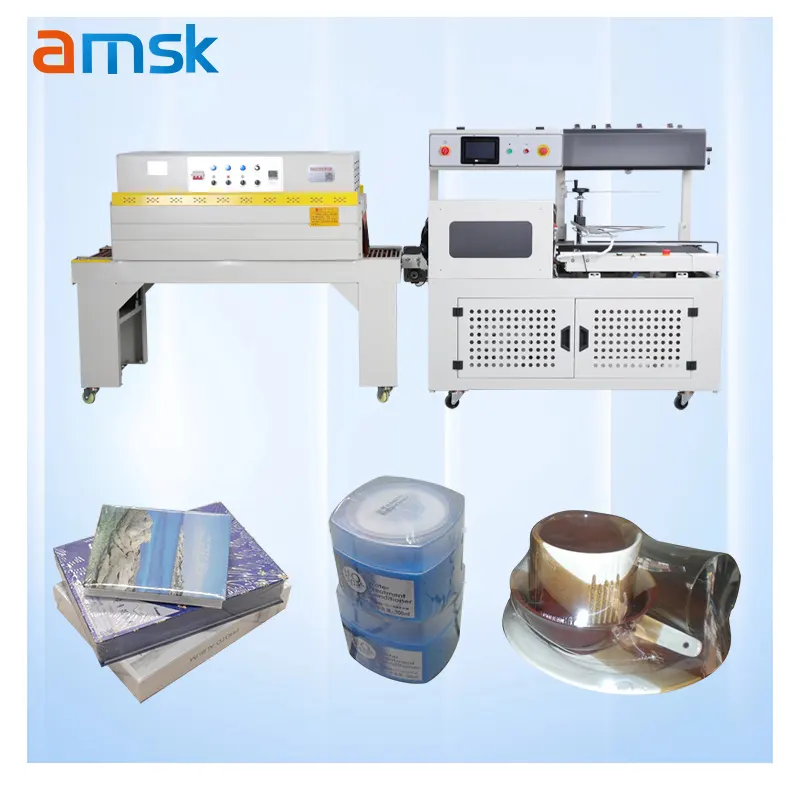
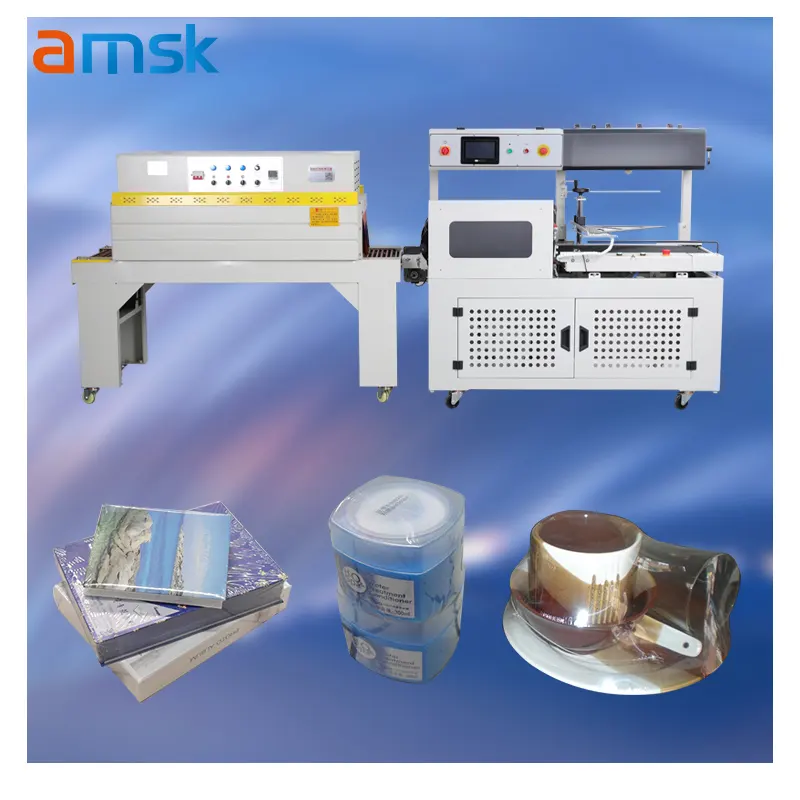
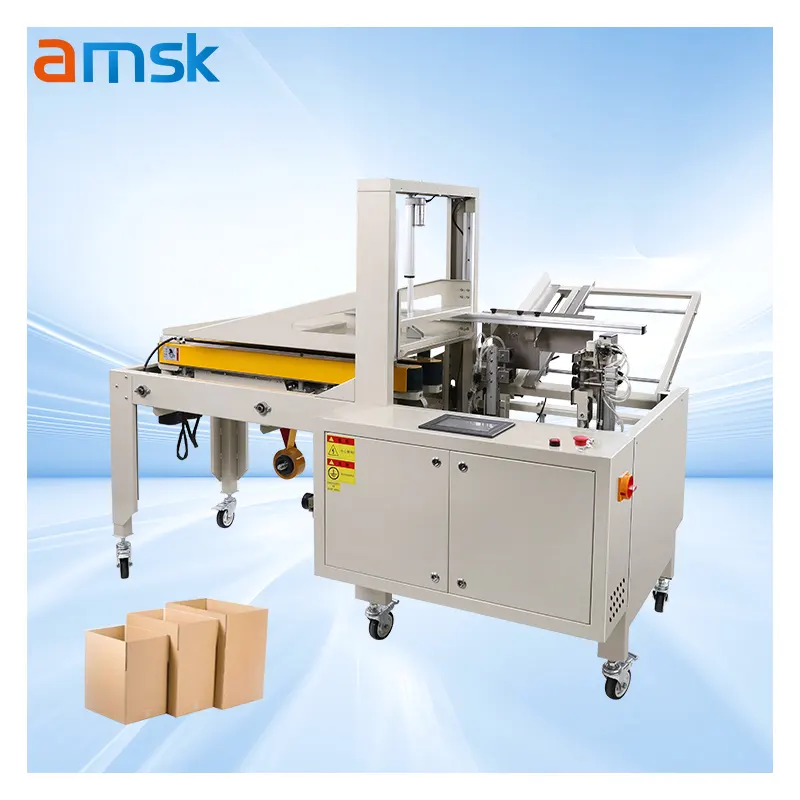
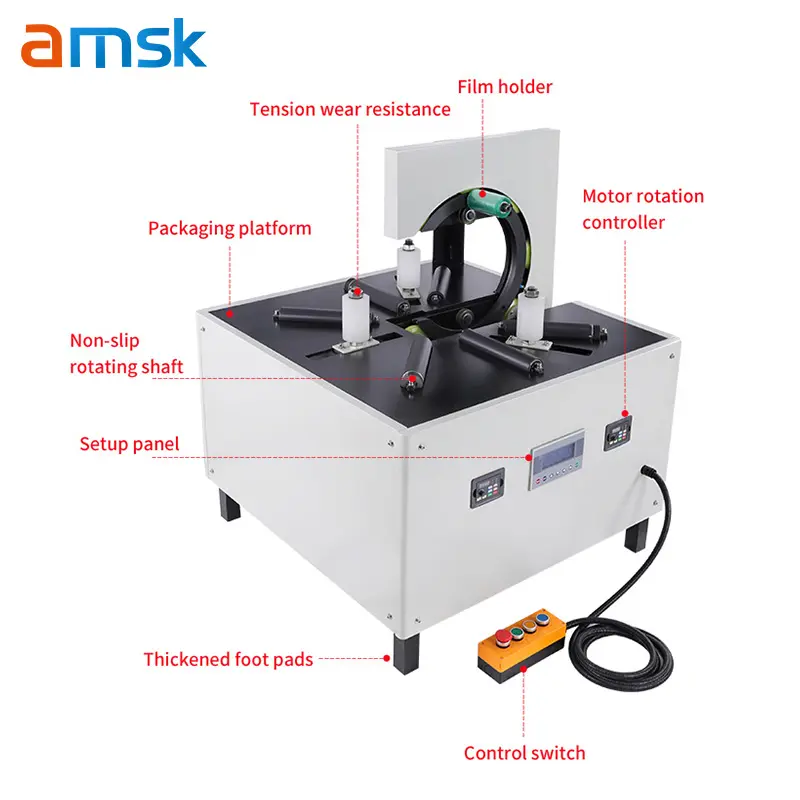
Sealer packing refers to the process of using sealing machines to close and secure packaging, ensuring that products are protected from external elements such as moisture, air, dust, and contaminants during storage, transport, and display. This essential packaging step is widely used across industries including food and beverage, cosmetics, pharmaceuticals, electronics, and manufacturing, where product integrity and shelf life are critical. Sealer packing involves the use of various types of sealing machines, each designed to work with specific packaging materials and product requirements. Heat sealers, for example, use controlled heat to melt and fuse plastic films, bags, or pouches, creating an airtight seal that is ideal for preserving food, cosmetics, and small consumer goods. Vacuum sealers take this a step further by first removing air from the package before sealing, which is particularly effective for extending the shelf life of perishable items like meats, cheeses, and seafood. Other types of sealers used in sealer packing include band sealers, which are designed for continuous sealing of bags in high-volume production lines, and impulse sealers, which use short bursts of heat for precise sealing of thin to medium-thickness materials. The choice of sealer depends on factors such as the packaging material (plastic, paper, foil), product type (liquid, solid, powder), and production volume. Sealer packing not only protects products but also enhances their presentation, with neat, professional seals that appeal to consumers. It also helps prevent tampering, ensuring that products reach consumers in their original condition. With advancements in technology, modern sealing machines offer features like adjustable temperature and pressure settings, automatic feeding, and integration with other packaging equipment, making sealer packing a efficient, reliable, and indispensable part of the packaging process.

 EN
EN