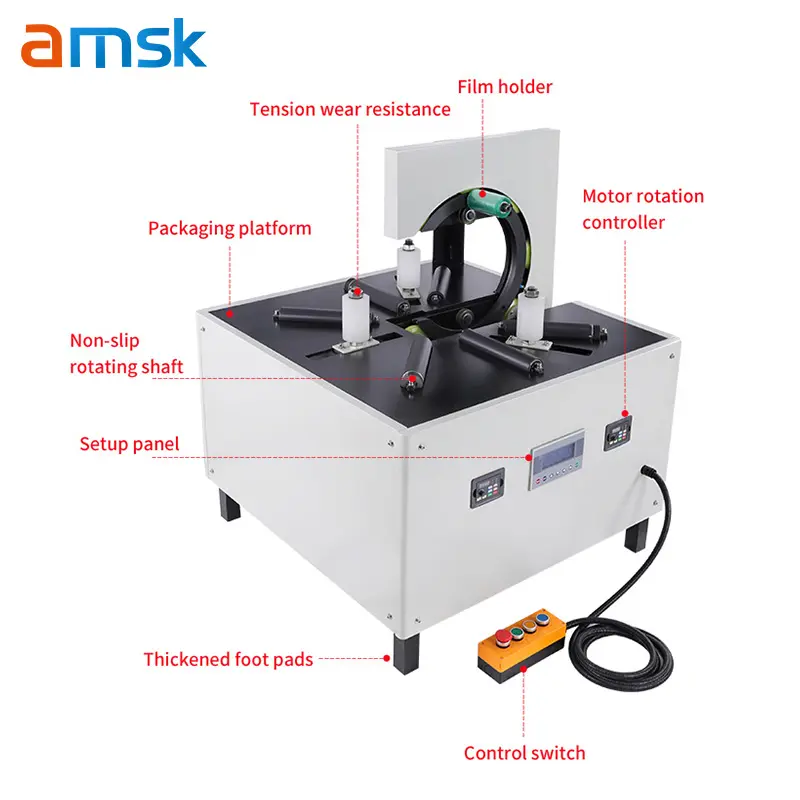
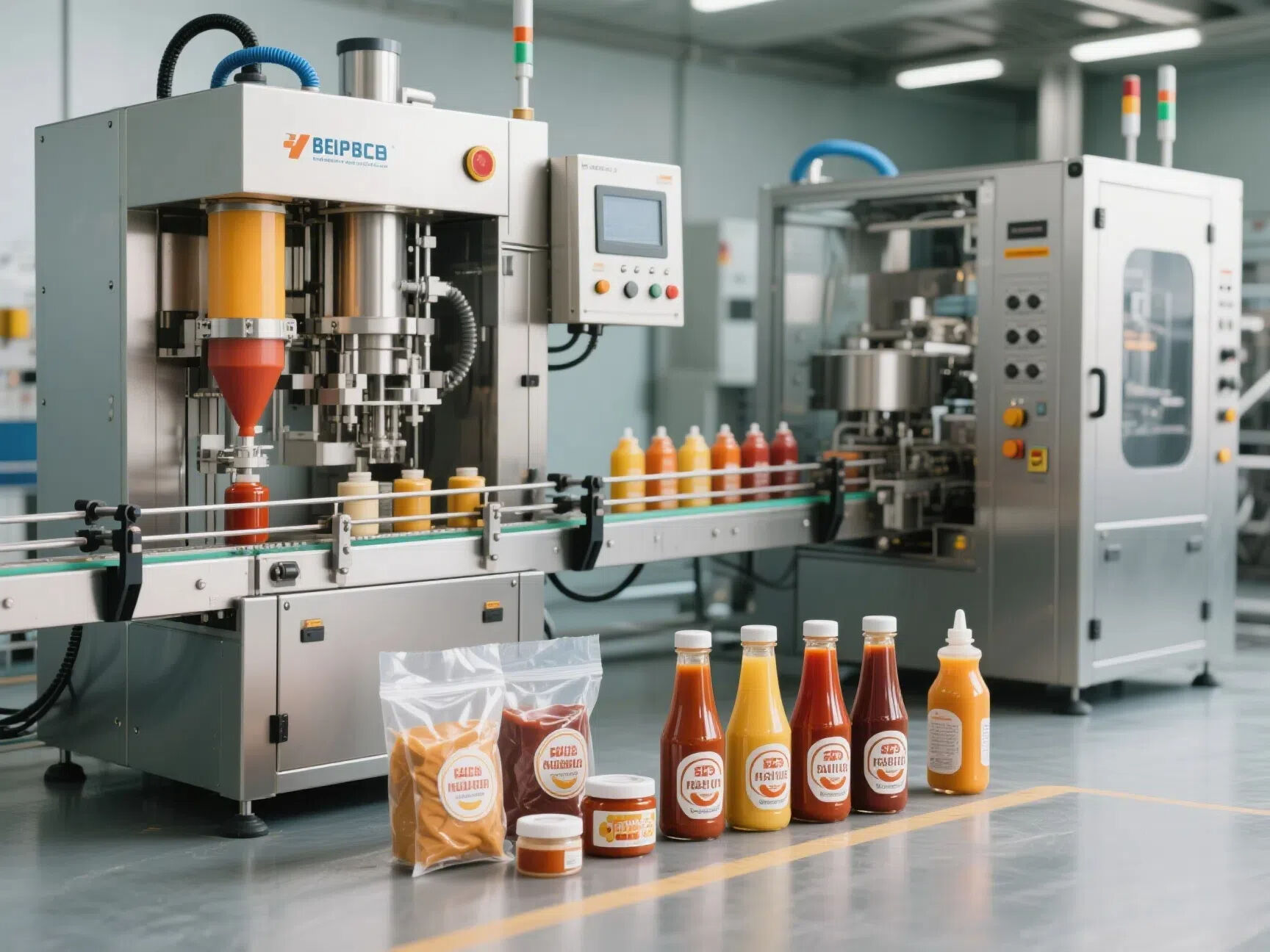
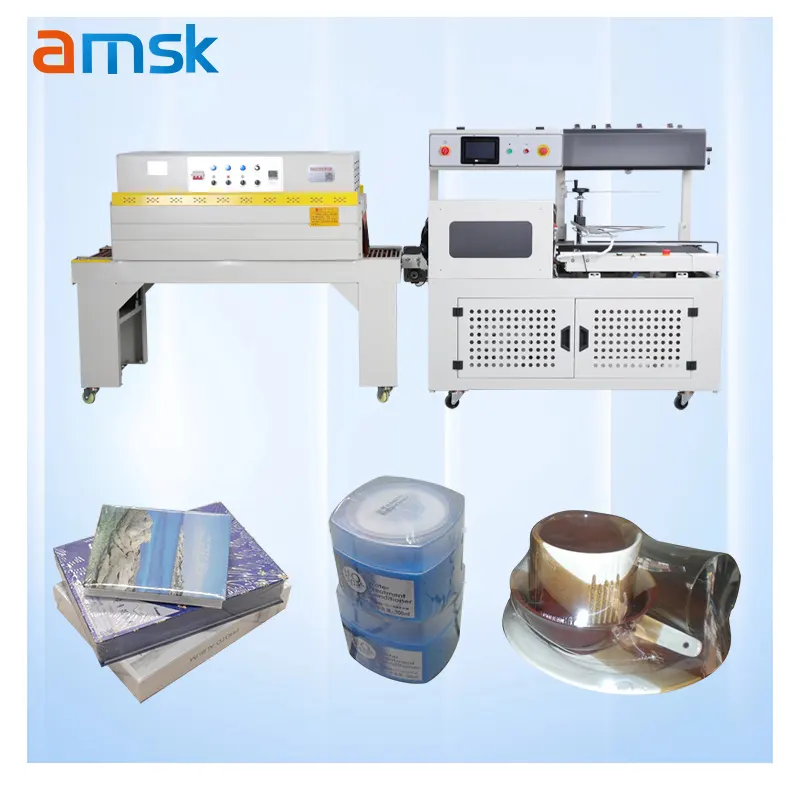
Machine sealing is a mechanized process used to close and secure packaging, leveraging specialized equipment to create consistent, reliable seals that protect products from external elements and ensure integrity during storage, transport, and distribution. This process is fundamental across industries such as food and beverage, pharmaceuticals, cosmetics, electronics, and manufacturing, where the quality of the seal directly impacts product safety, shelf life, and consumer trust. Machine sealing involves the use of various types of sealing machines, each designed to work with specific packaging materials and product requirements. Heat-based machines use controlled temperature and pressure to melt and fuse thermoplastic materials (such as polyethylene, polypropylene, and laminated films), creating airtight seals ideal for bags, pouches, and containers holding foods, liquids, or small parts. Vacuum sealing machines combine air removal with heat sealing, reducing oxygen levels to extend the shelf life of perishables and prevent oxidation. Band sealers are used for continuous sealing of bags in high-volume production lines, capable of handling hundreds of units per minute with consistent results. Impulse sealers use short bursts of heat for precise sealing of thin materials, while ultrasonic sealers use vibration to create seals without heat, suitable for heat-sensitive products. The machine sealing process offers several advantages over manual sealing, including higher efficiency, uniformity, and reduced labor costs. Modern machines feature adjustable settings for temperature, pressure, and seal time, allowing customization for different material thicknesses and product types. They also incorporate safety features such as emergency stop buttons, heat shields, and sensors to detect jams or misaligned packaging. Whether used to seal a bag of snacks, a bottle of medicine, or a container of electronic components, machine sealing ensures that products remain protected, fresh, and intact, making it a critical step in modern packaging operations.
![Machine Sealing Solutions for Packaging Efficiency [Get Quote]](https://shopcdnpro.grainajz.com/category/356349/3291/71c5521a43ec3462e8f776427fdfe0f6/logo.png)
 EN
EN